
Salvage-first demolition
Deconstruction and Salvage in Santa Clara
Some buildings are worth more in pieces than as a pile. We take Santa Clara houses and outbuildings apart by hand, save the lumber, fixtures and materials that can be reused, and recycle most of the rest.
What Deconstruction Means for a Santa Clara Building
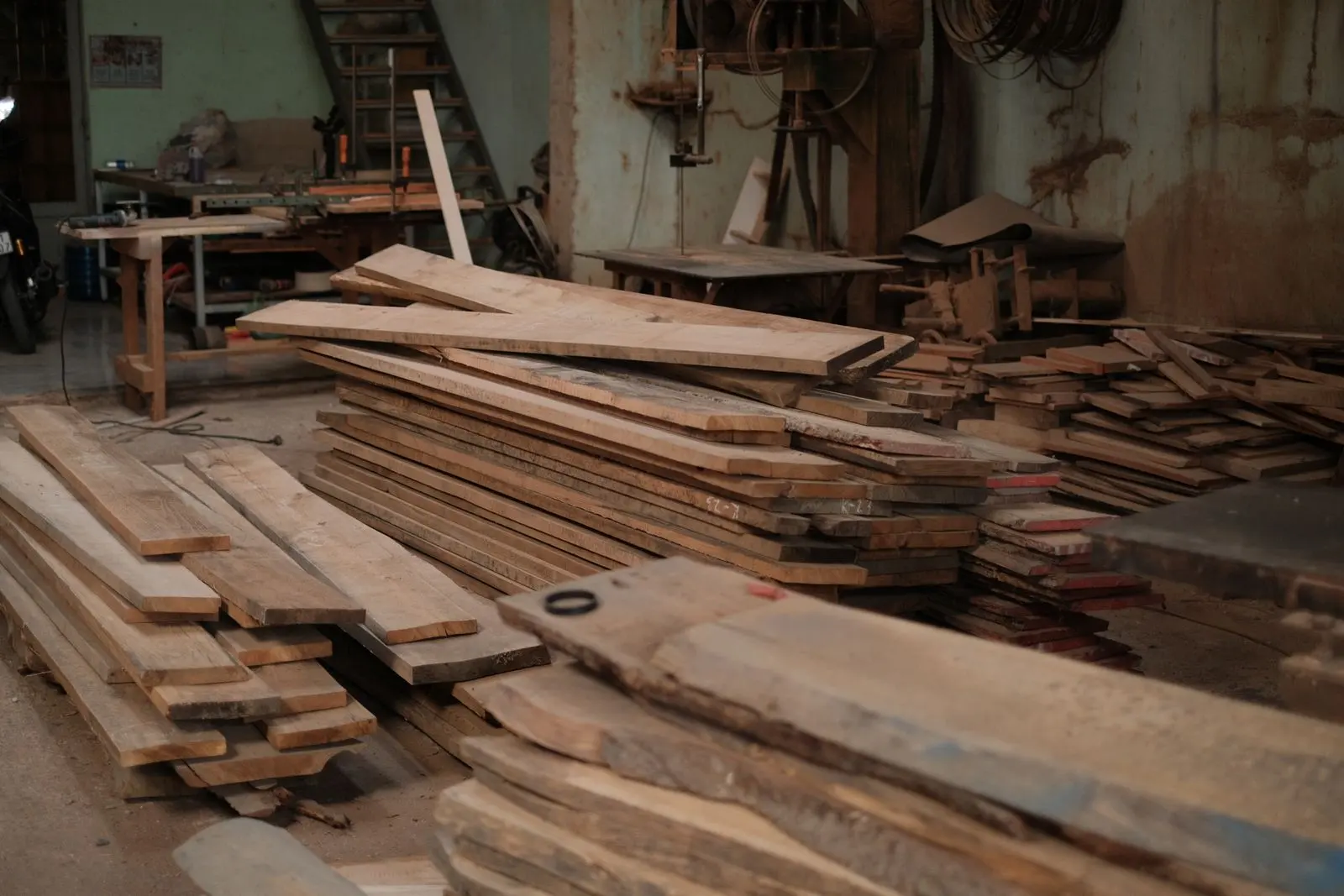
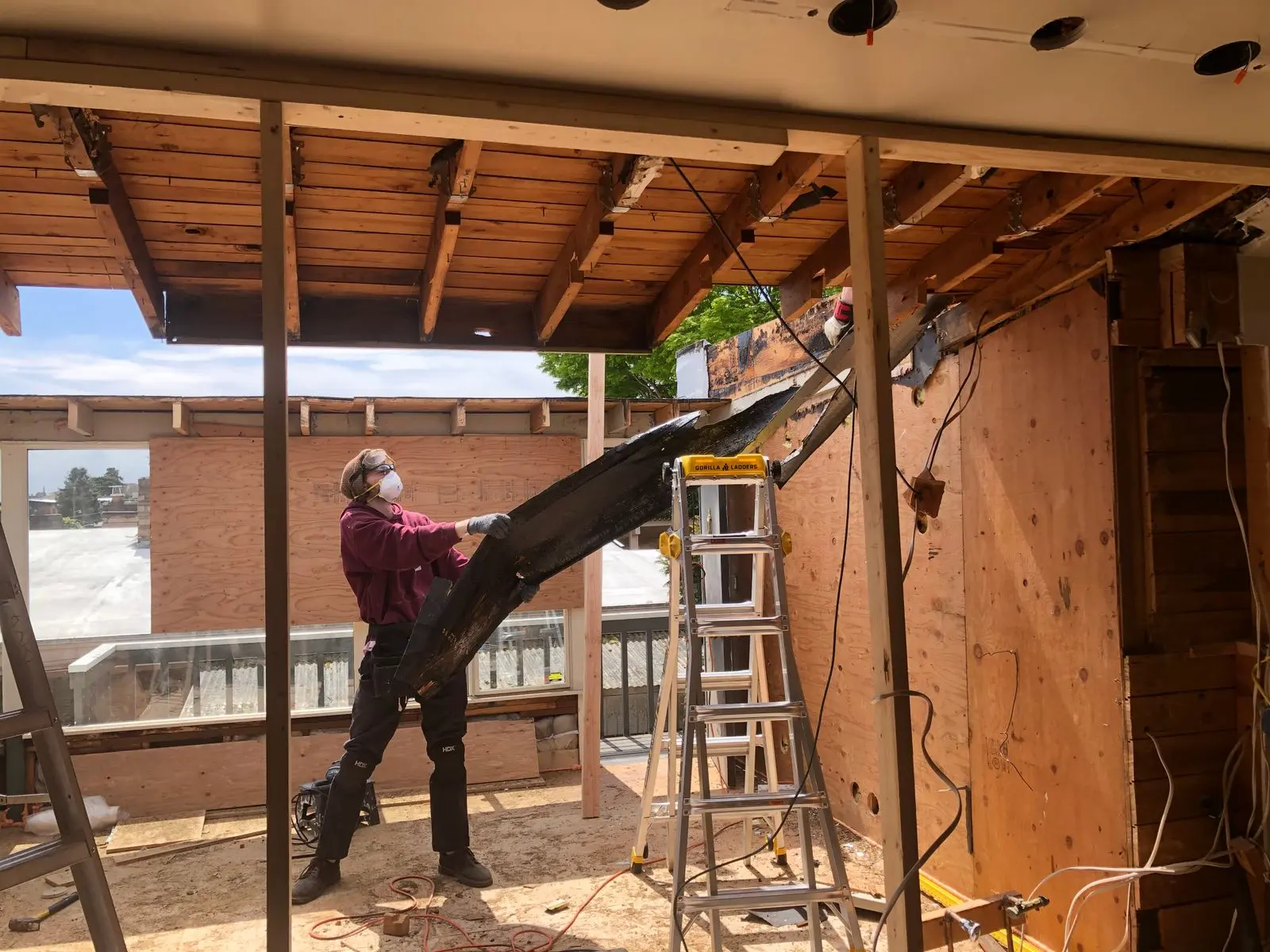
Deconstruction is demolition in reverse. Instead of knocking a building down with an excavator and loading the debris, crews take it apart in roughly the order it was built: fixtures and trim first, then doors and windows, then roofing, sheathing and finally framing. Materials come out in usable condition and get sorted for reuse, resale or recycling.
It takes longer and costs more in labor than standard demolition, so it makes sense when a building has materials worth saving, when an owner wants to keep a piece of the old house for the new one, or when keeping material out of the landfill is a priority for the project.
Salvage From Old Quad Homes and Older Santa Clara Houses
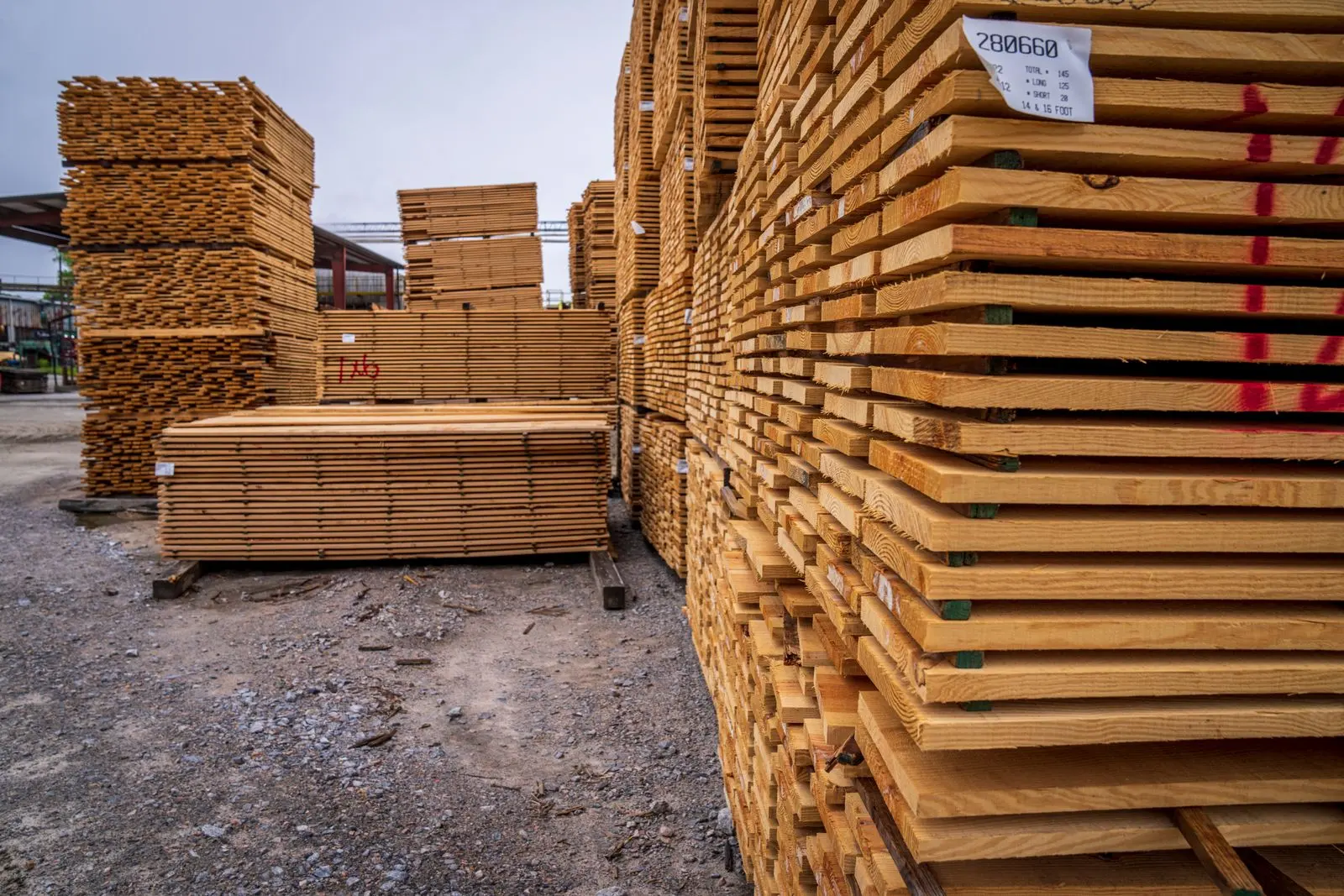
The best candidates in Santa Clara are the older homes in the Old Quad and near downtown. Houses from the late 1800s and early 1900s were framed with old-growth redwood and Douglas fir, lumber that is denser and more stable than what is sold today. Their trim, wood windows, panel doors, built-in cabinets, clawfoot tubs, hardware and brick chimneys all have reuse value.
Even if the house as a whole is not historic or is too far gone to restore, these pieces can go into the new house on the lot, into another restoration project, or to a reuse store. Before any of that, the city may want to look at the house's history, and an older Old Quad home may need a historic check before a demolition or deconstruction permit is issued.
Mid-century homes have salvage too. Ranch houses in Agnew and the west side have solid wood doors and useful framing lumber, and in Killarney Farms, Eichler-type homes may have exposed beams, wood paneling and original globe fixtures that buyers look for.
Deconstruction of Commercial and Industrial Buildings
Larger buildings can be partly deconstructed. Older Santa Clara tilt-ups and warehouses often have large glulam beams and heavy timber purlins in the roof, which can be lowered and saved instead of crushed. Steel joists, structural steel, racking, doors and some mechanical equipment can also be removed for resale before general demolition.
On commercial sites we usually do a hybrid: selective salvage first, then conventional demolition of what is left. That gets the most value from the building without stretching the schedule too far.
Salvage on a commercial building has to fit the developer's schedule, so we agree on a window for it up front. Anything not removed by the end of that window goes with the rest of the building, and the recycling plan still applies to it.
Asbestos, Lead and Permits for Deconstruction
Taking a building apart by hand does not get it out of the paperwork. The survey still happens first, positive asbestos still goes to a certified abatement firm, and BAAQMD still gets its notice before the structure comes apart. Old paint on doors and trim often has lead in it, so we label painted pieces for whoever takes them.
The permit is issued by the City of Santa Clara Building Division, and utilities are disconnected by Silicon Valley Power for electric and PG&E for gas, the same as any other demolition in the city.
What Our Deconstruction Includes in Santa Clara
Salvage Walkthrough Before Deconstruction
We walk the building with you to identify what is worth saving, what you want to keep for the new house and what can go to reuse or resale.
Hand Demolition of Framing and Finishes
Trim, doors, windows, cabinets, flooring and framing lumber are removed carefully by hand, de-nailed when needed and stacked for pickup or storage.
Sorting Salvage and Recycling
Materials that cannot be reused are separated for recycling, so very little from the building ends up in a landfill.
Final Demolition and Site Cleanup
Once salvage is done, we remove the remaining structure and foundation, haul the debris, and leave the lot graded and ready for building.
Deconstruction: Job Site Photos
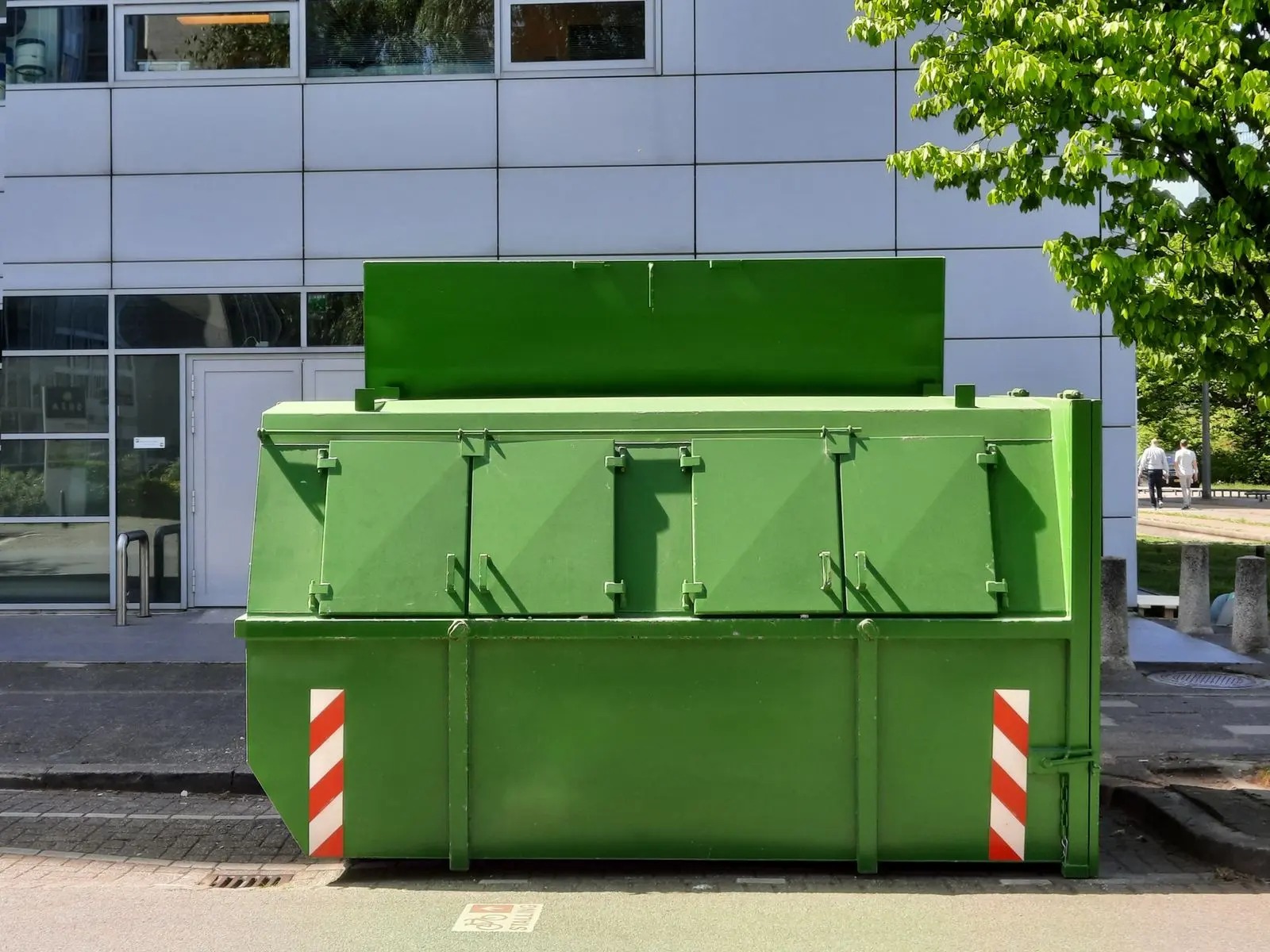
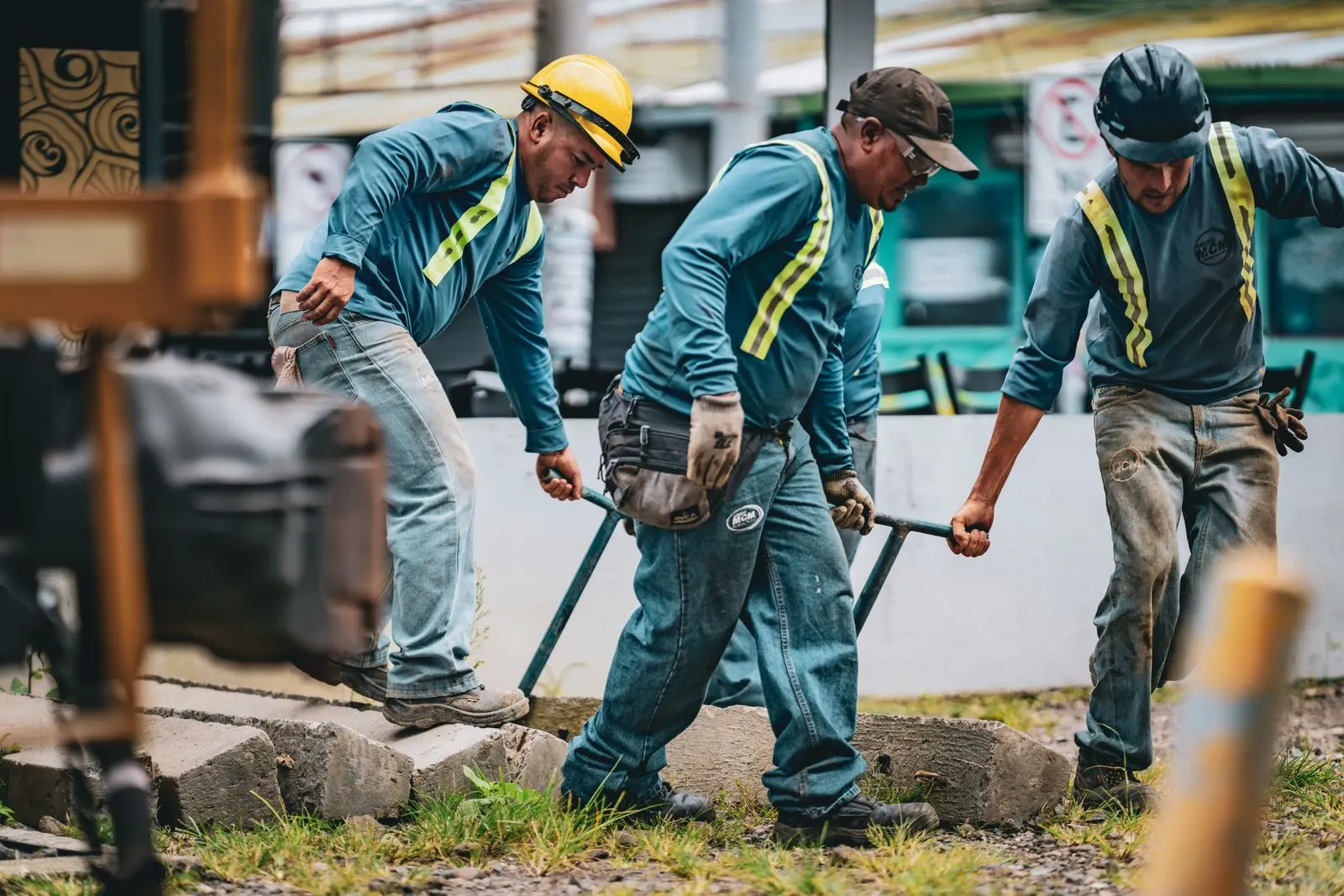
Deconstruction and Salvage Across Santa Clara
Demolition FAQs
Santa Clara Deconstruction FAQ
Does deconstruction cost more than a standard teardown?
Usually it costs more in labor and takes longer. Some of that can be offset by the value of salvaged materials or by keeping them for your new build, but it is rarely cheaper overall.
What materials can be salvaged from a house?
Old-growth lumber, hardwood flooring, doors, windows, trim, built-ins, fixtures, tubs, brick and hardware are the most common. What is worth saving depends on age and condition.
How long does deconstruction take compared to demolition?
A standard house demolition takes days. Deconstruction of the same house usually takes a few weeks, depending on how much is salvaged.
Can I keep materials from my old house for the new one?
Yes. Tell us what you want to keep during the walkthrough and we will remove and store it carefully on site or set it aside for your builder.
Where do salvaged materials go?
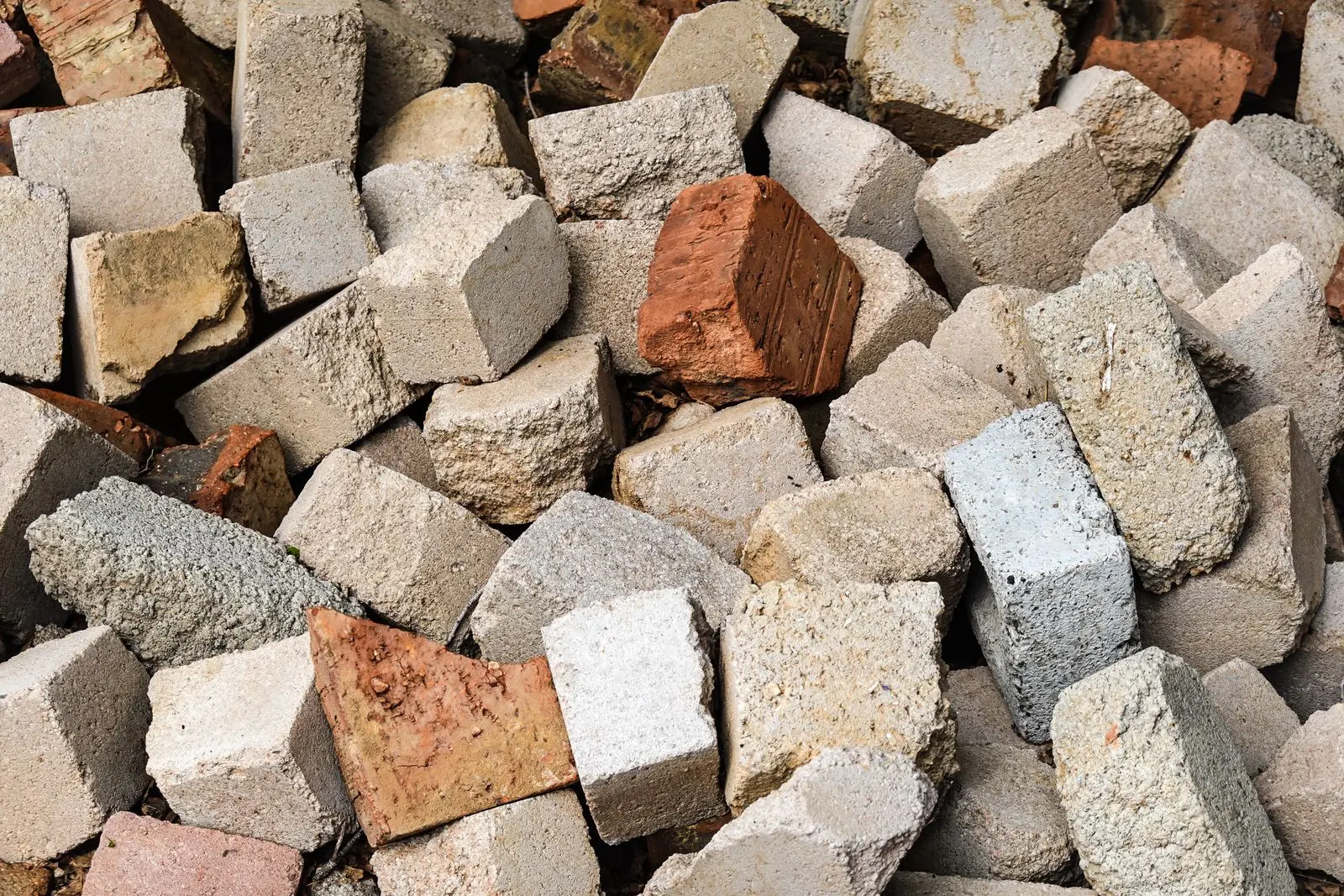
Pieces you want stay with you or your builder. The rest goes to architectural salvage and building material reuse outlets, or to recycling if it is not reusable. We tell you up front which route each category is likely to take.
Demolition quote
Deconstruction Quotes in Santa Clara
Tell us the building's age and size and which pieces you hope to keep. Expect a reply within a day, then a salvage walk.
- Permits
- Demolition
- Haul-off