
House Demolition
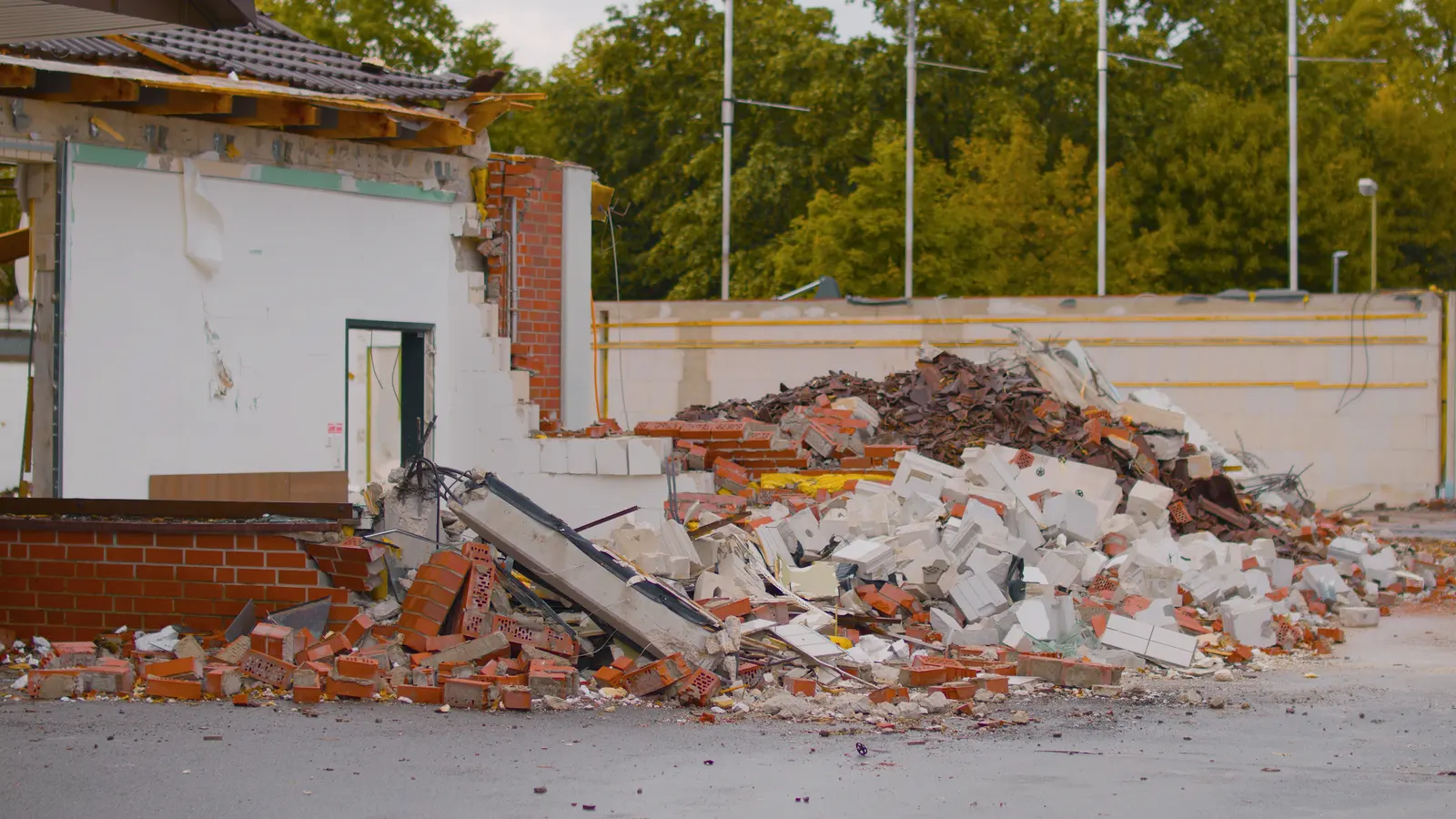
Full teardowns of ranch homes, older bungalows and Eichlers in Santa Clara, including the permit, SVP and PG&E disconnects, the foundation and a graded lot ready for a new build.
House Demolition detailsDemolition contractor for Santa Clara and Santa Clara County
Request a demolition quote →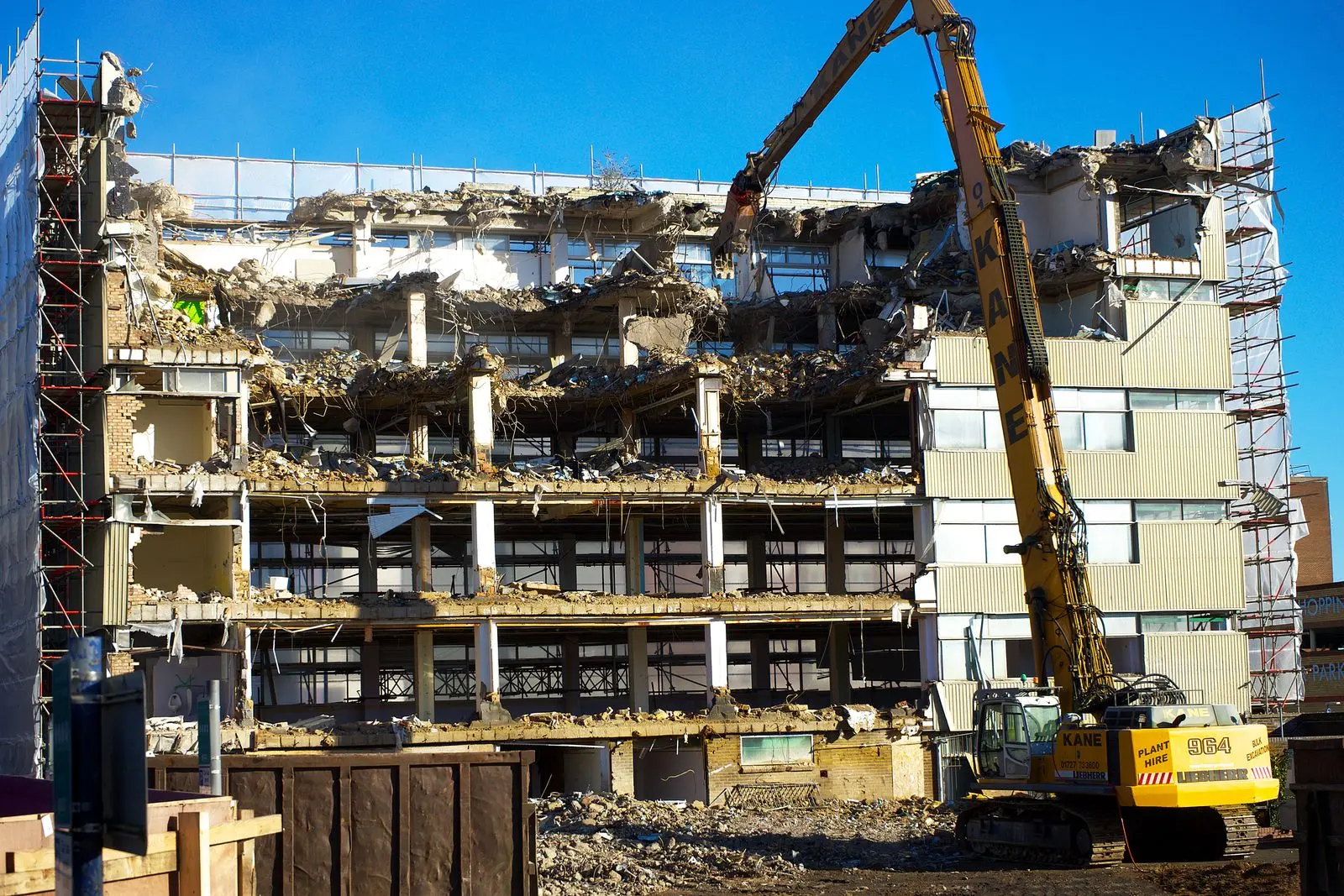
Teardowns, strip-outs, site work
Santa Clara Demolition Pros takes down houses, garages, old R&D buildings and worn-out pavement across Santa Clara, then hauls the debris and sorts what can be recycled. Tell us about the job and we follow up within 24 hours.
Demolition services in Santa Clara
We take on Santa Clara demolition of every size, from taking one bathroom down to the studs to clearing a block of old tilt-up buildings. Pick the service closest to your job to see how we handle it here, or describe the whole project in the quote form and we will sort out the pieces with you.
Full teardowns of ranch homes, older bungalows and Eichlers in Santa Clara, including the permit, SVP and PG&E disconnects, the foundation and a graded lot ready for a new build.
House Demolition details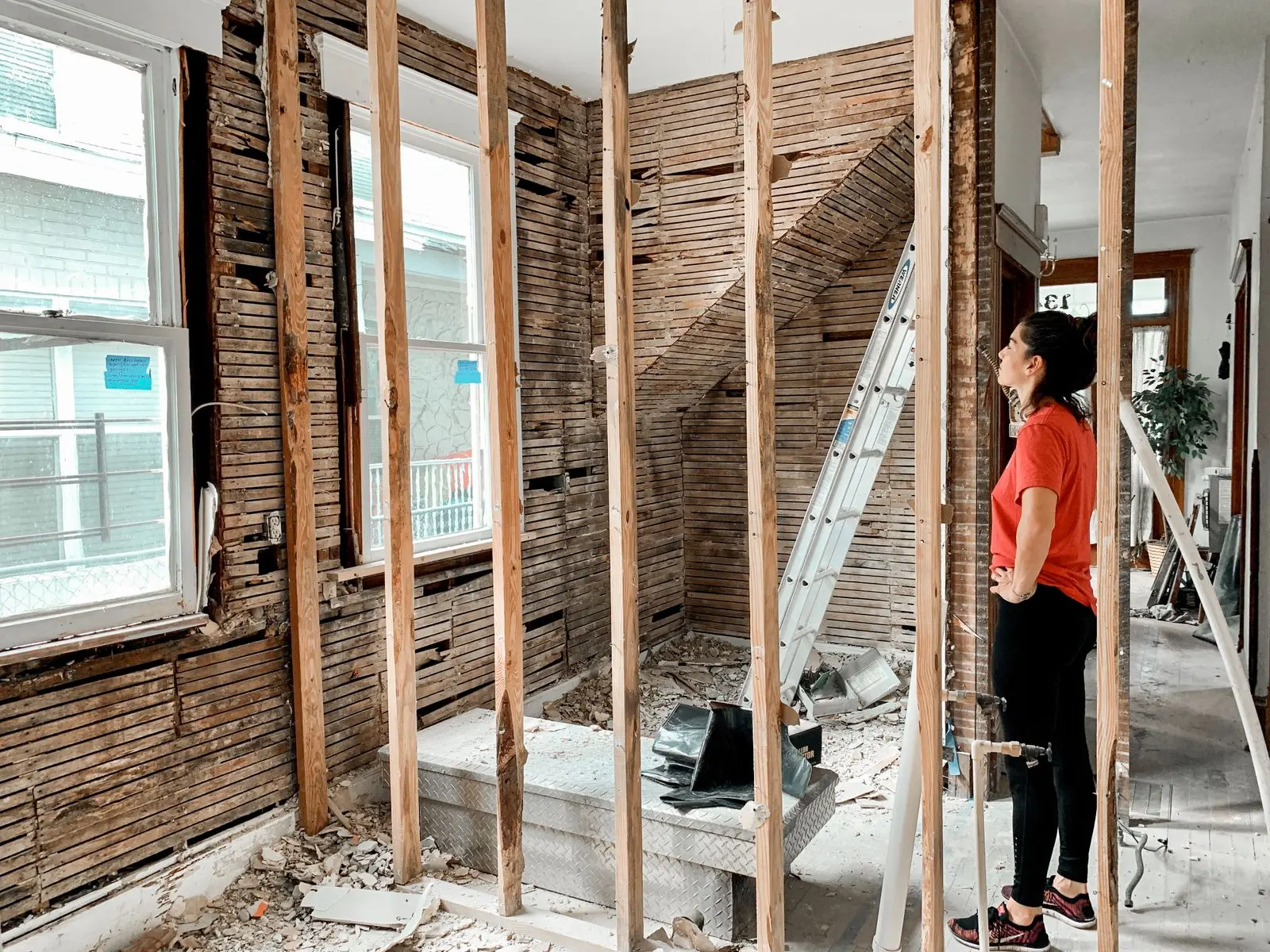
Rooms or entire floors opened back to bare studs ahead of a remodel. Finishes, fixtures and old ceilings go; the framing, floors and walls you are keeping get covered and left alone.
Interior Demolition details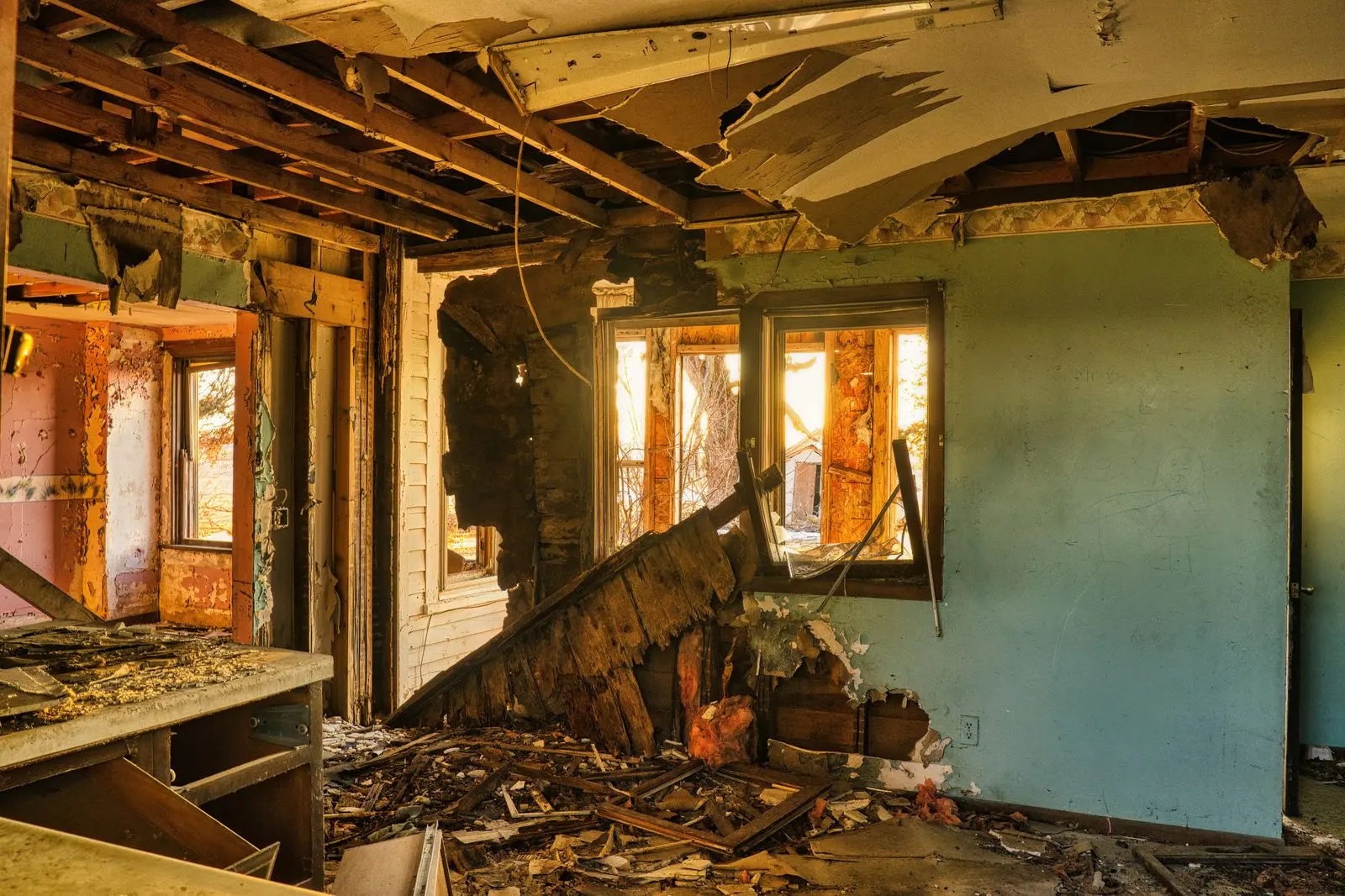
Cabinets, counters, tile, soffits and old flooring out of Santa Clara kitchens, with plumbing and gas capped and the room left clean and ready for the remodel crew.
Kitchen Demolition details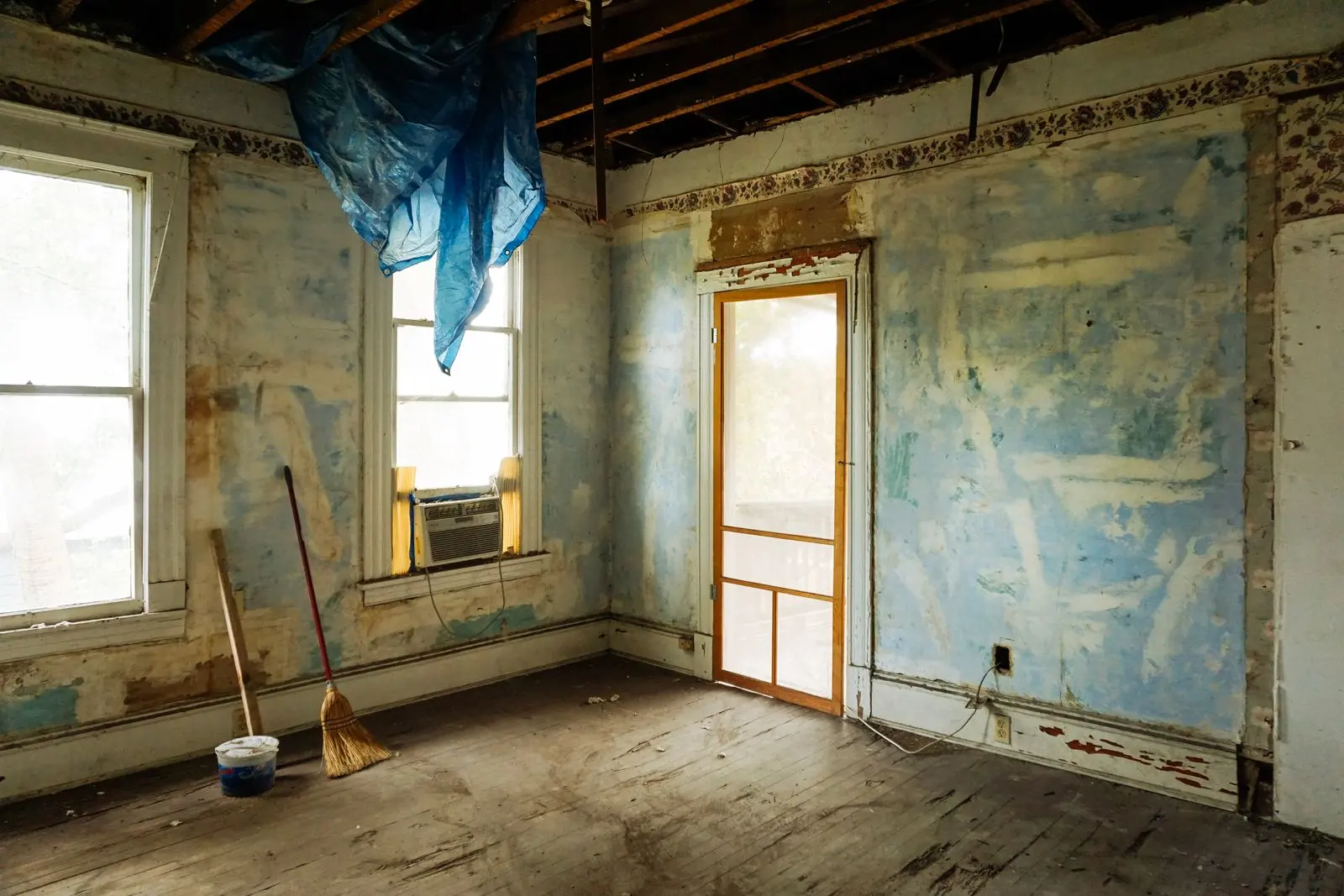
Tub, shower, tile, vanity and subfloor removal down to studs and joists, with careful work around radiant slabs and the shared walls in condos and townhomes.
Bathroom Demolition details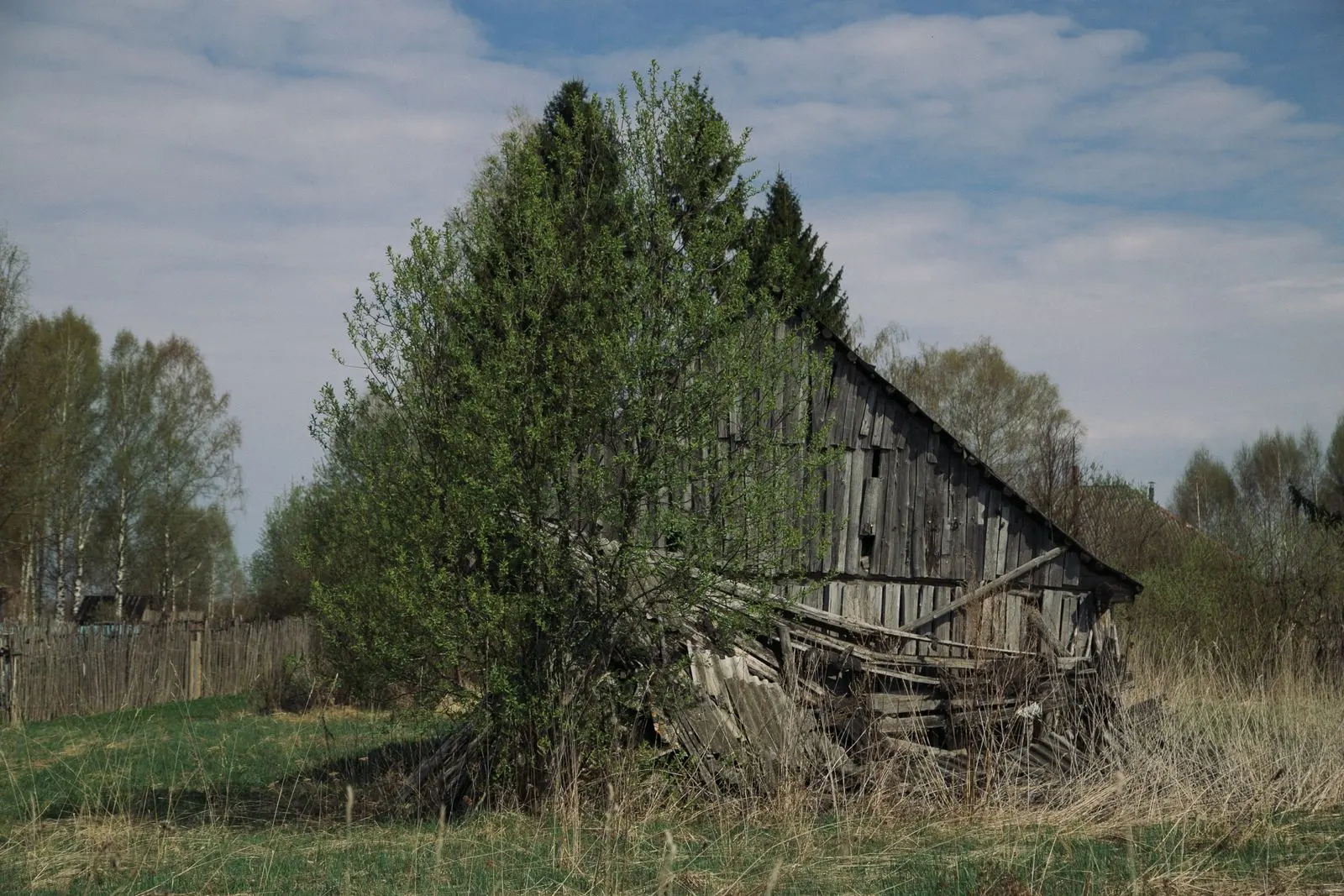
Detached garages, sheds, carports and backyard workshops taken down and hauled away, slab included if you want it, so the space is open for an ADU or a yard.
Garages and Sheds details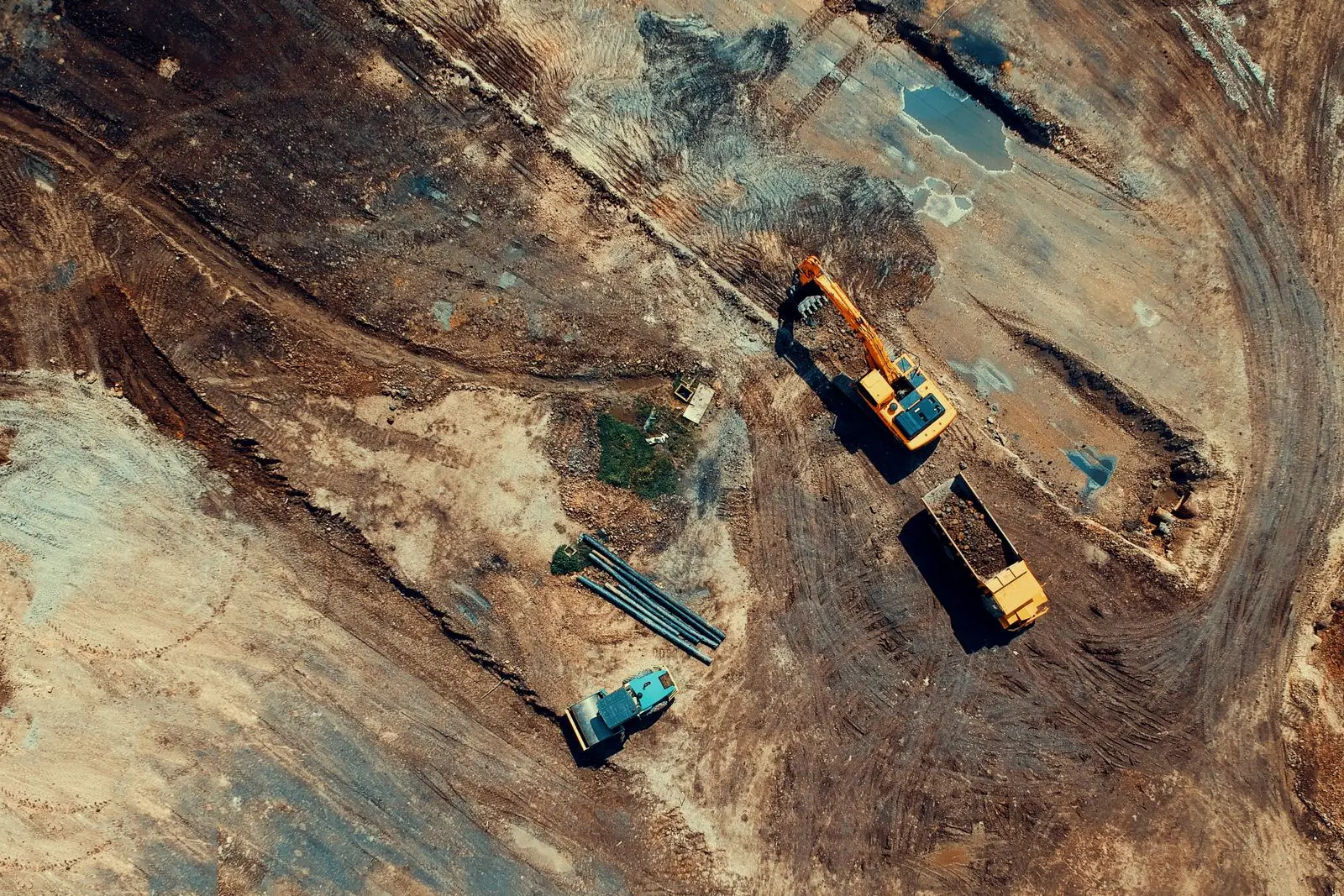
Old backyard pools either broken in and backfilled or dug out whole, then compacted in lifts so the city can sign off and the ground stays put.
Pool Removal details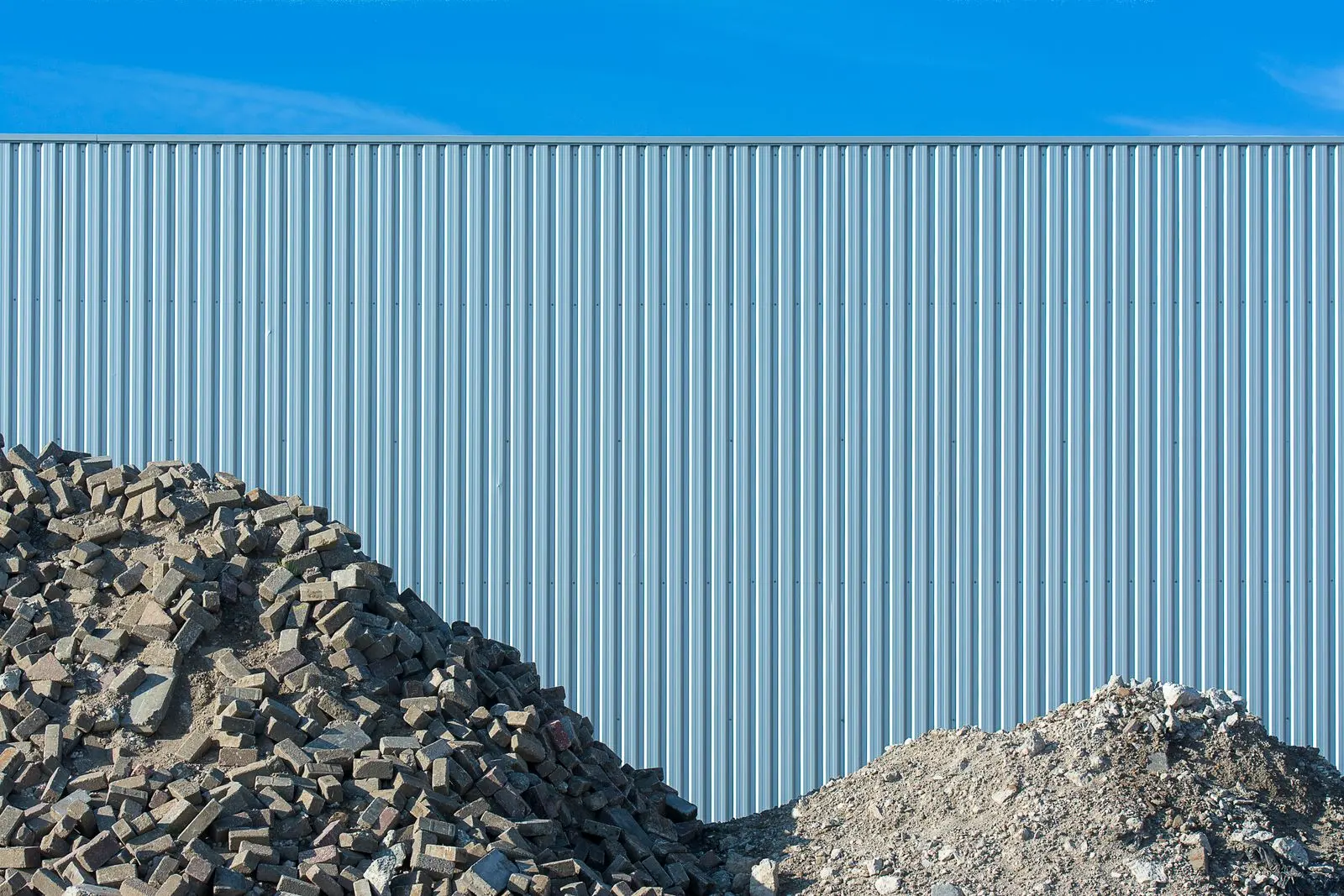
Cracked driveways, patios, garage slabs, footings and garden walls broken up and trucked to a crusher, so the concrete comes back as base rock instead of landfill.
Concrete Removal details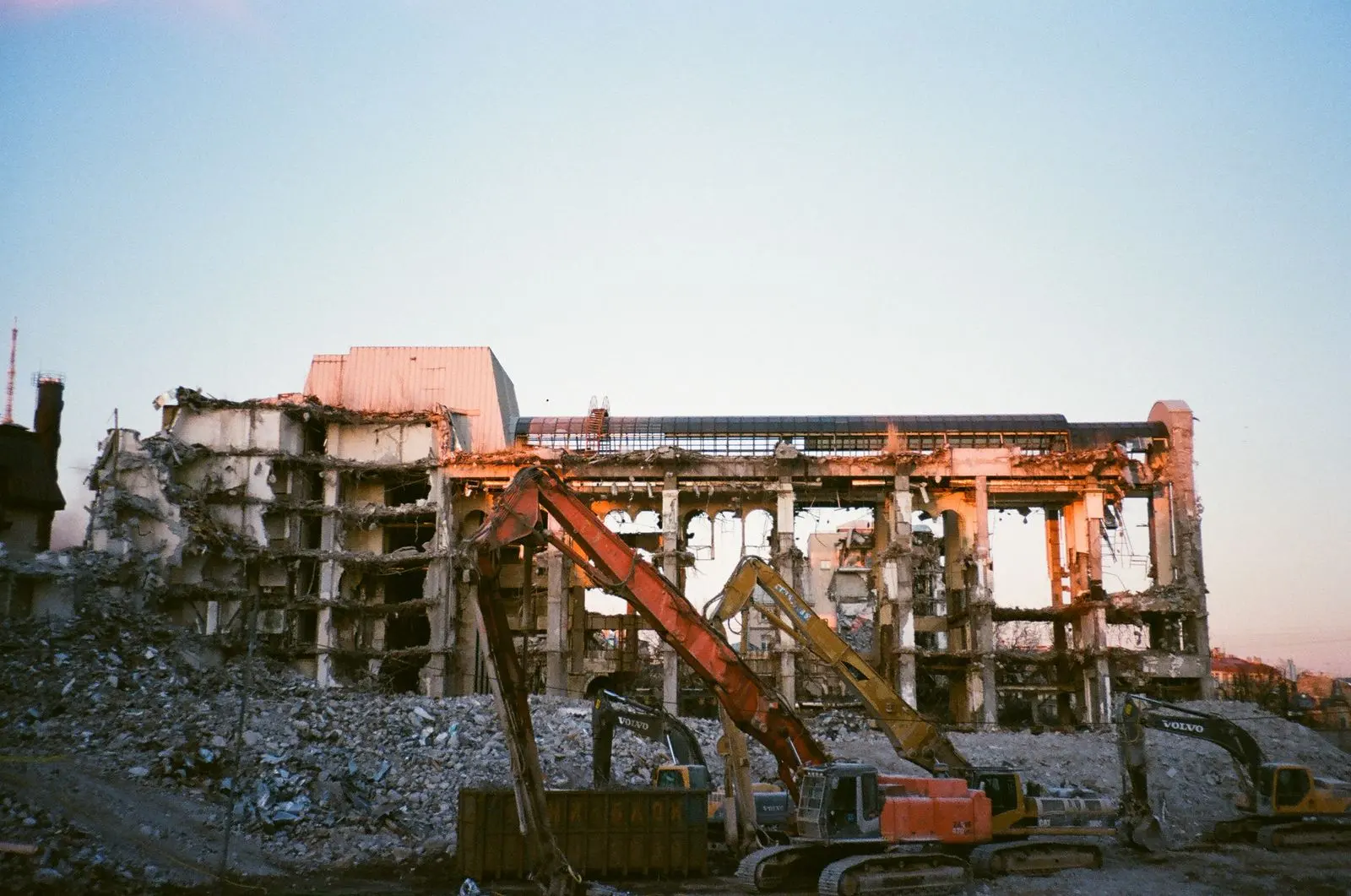
Tilt-up R&D buildings, warehouses, strip retail and motels taken down to the slab or to dirt, with the survey, air district notice and disconnects lined up first.
Commercial Demolition details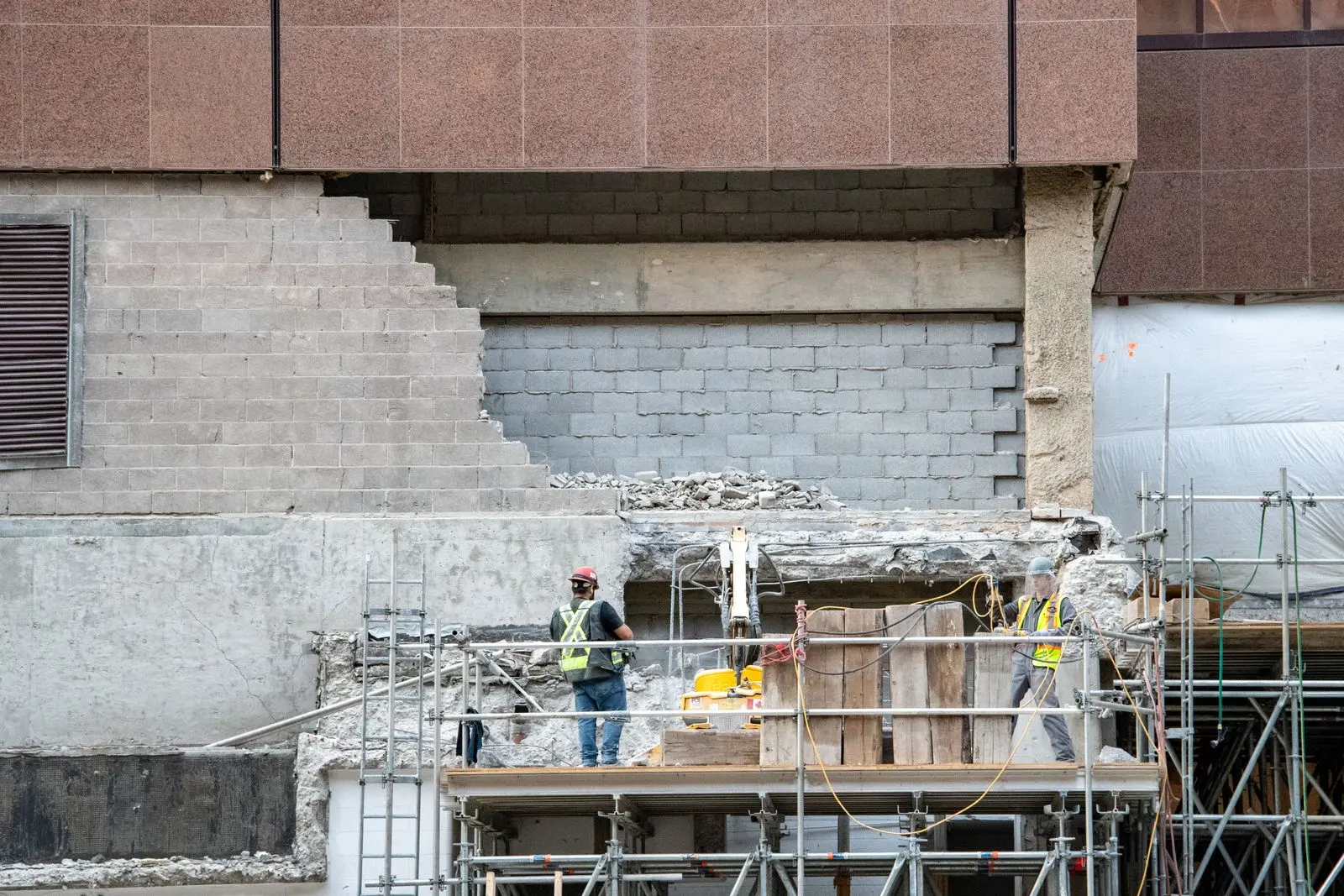
Tenant strip-outs for offices, labs, restaurants and retail suites, removing walls, ceilings, cabling and finishes to a clean shell while the rest of the building keeps running.
Commercial Strip-Outs details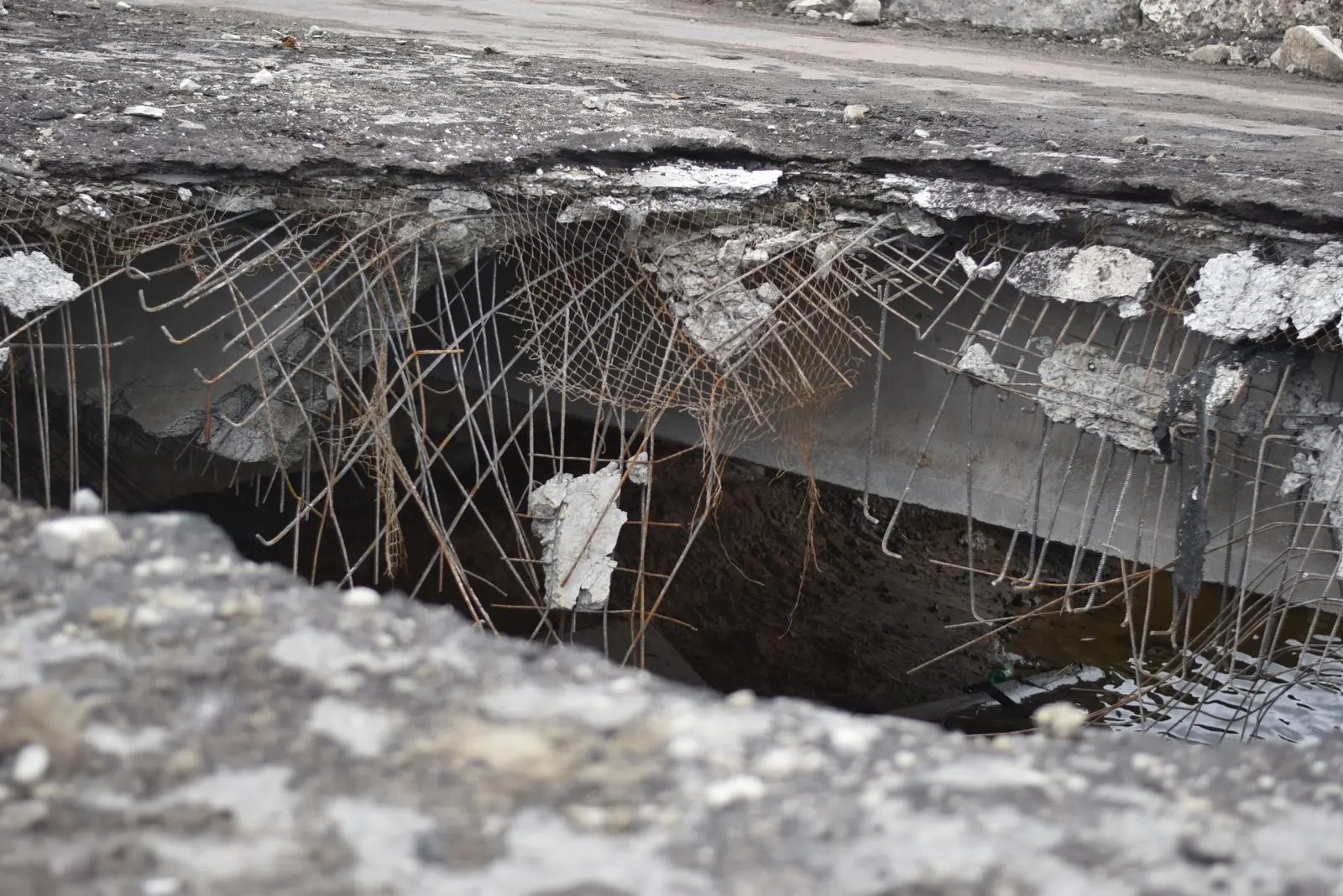
Parking lots, drive aisles and residential driveways ripped or ground out, with the asphalt kept separate so it can be recycled into new paving material.
Asphalt Removal details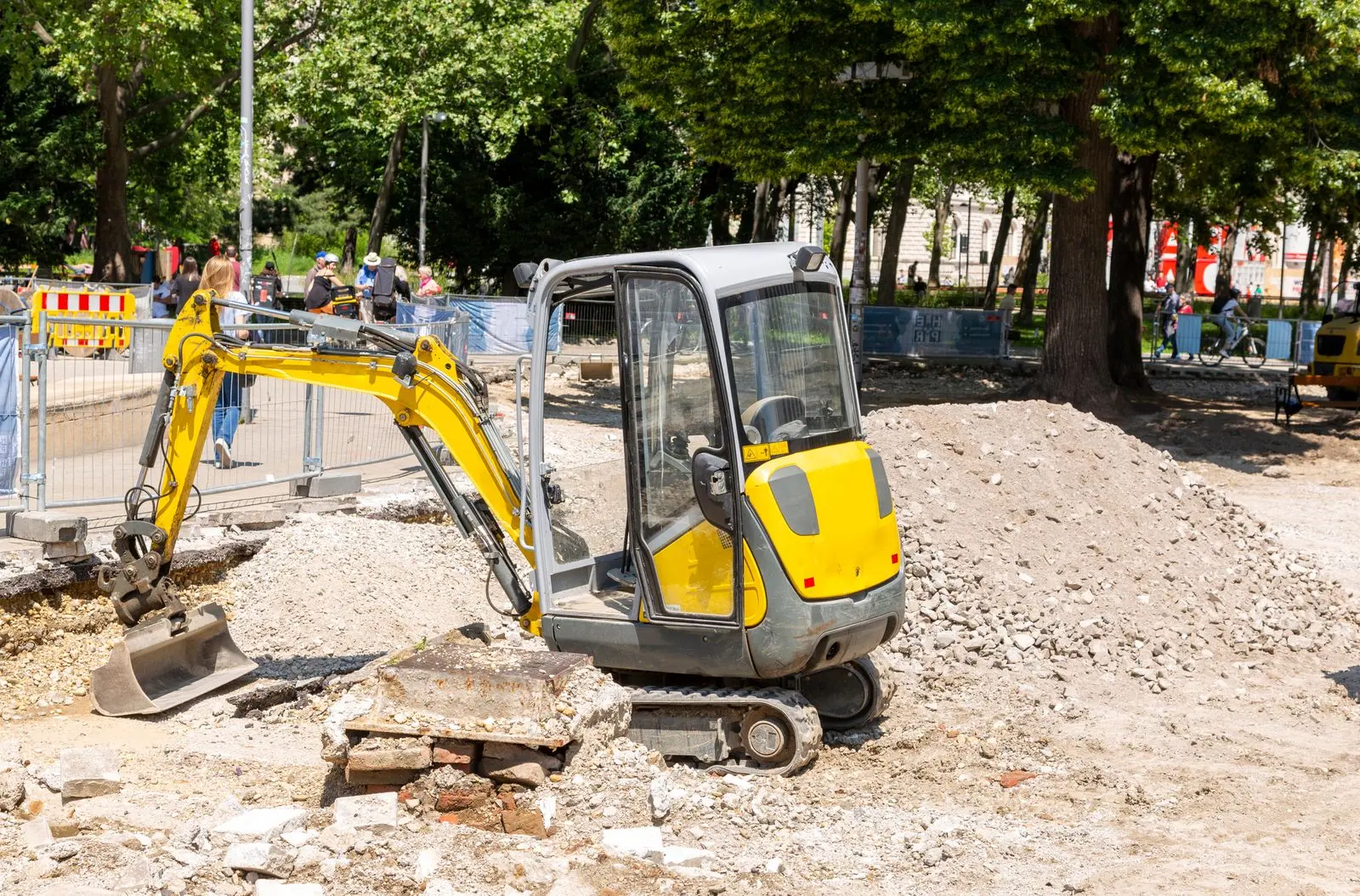
Clearing brush, stumps, old fencing, buried debris and leftover pads, then rough grading so a Santa Clara lot is ready for the surveyor and the builder.
Lot Clearing details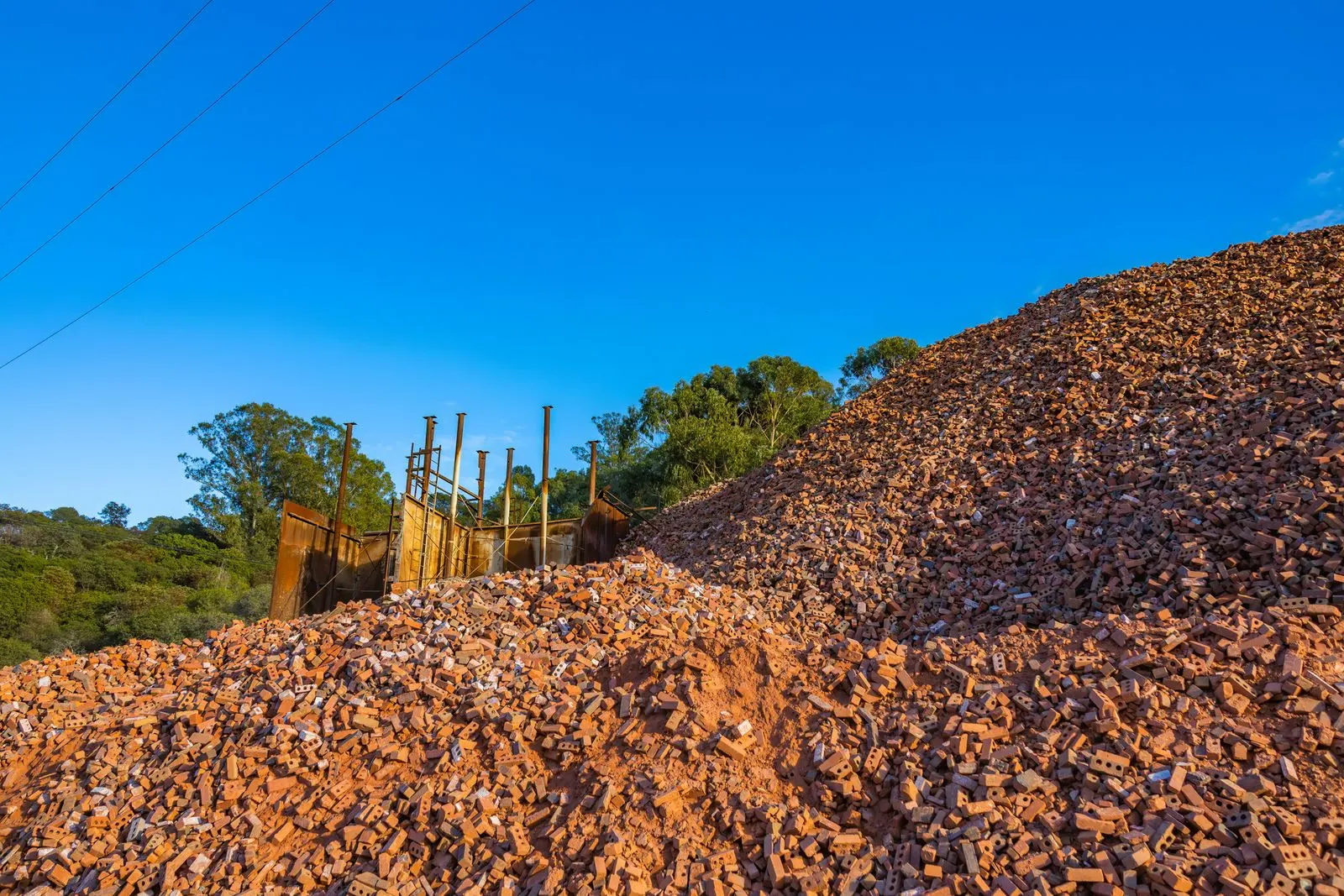
Hauling demolition debris, sorting wood, metal, concrete and drywall for recycling, and leaving the paperwork you need for CALGreen waste reports.
Debris Removal details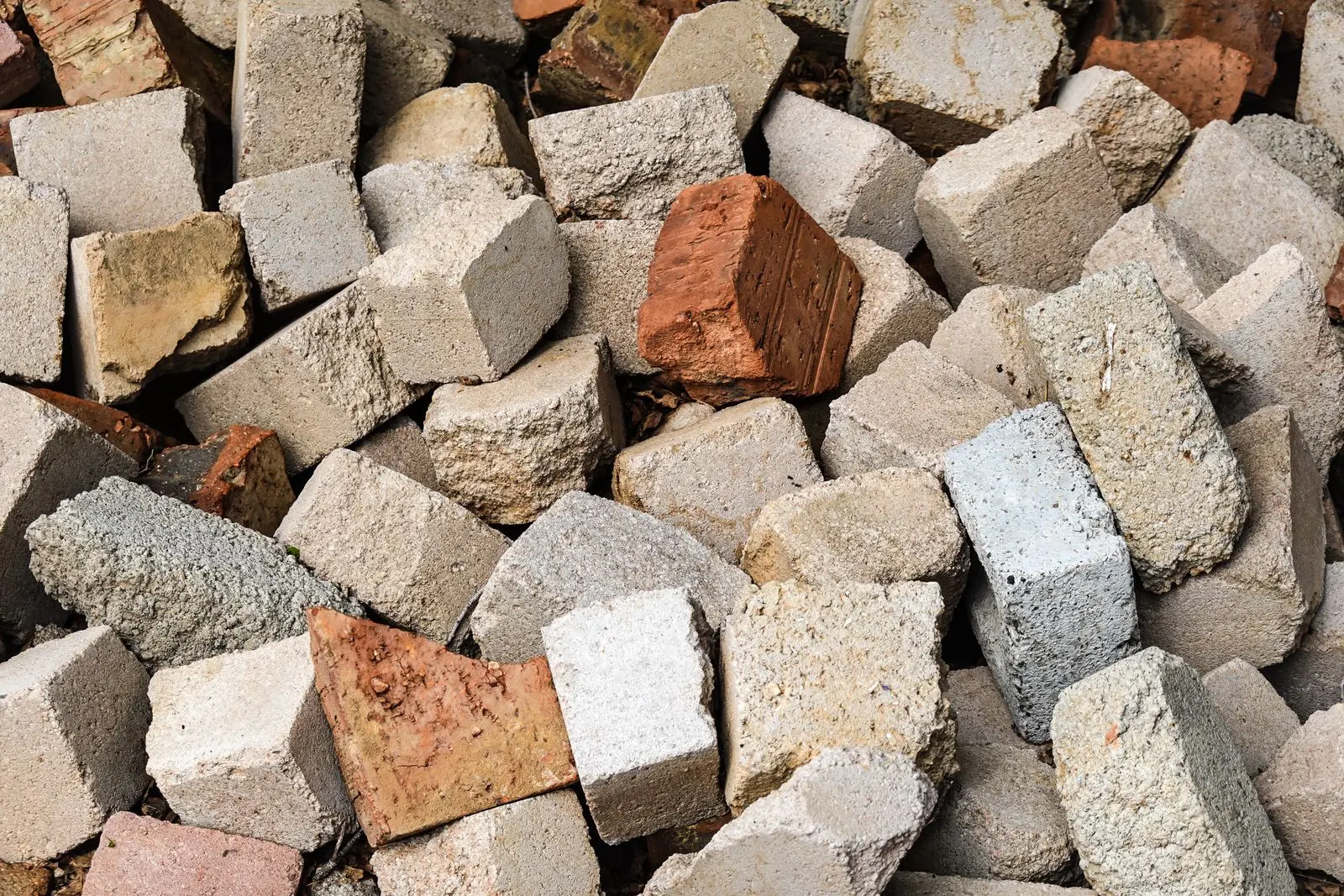
Taking a structure apart by hand so lumber, doors, fixtures, beams and brick can be salvaged and reused instead of crushed, which suits older Old Quad homes.
Deconstruction detailsDescribe what has to come down or come out in Santa Clara. We will reach out, ask the right questions and put a scope and quote together.
Santa Clara demolition contractor
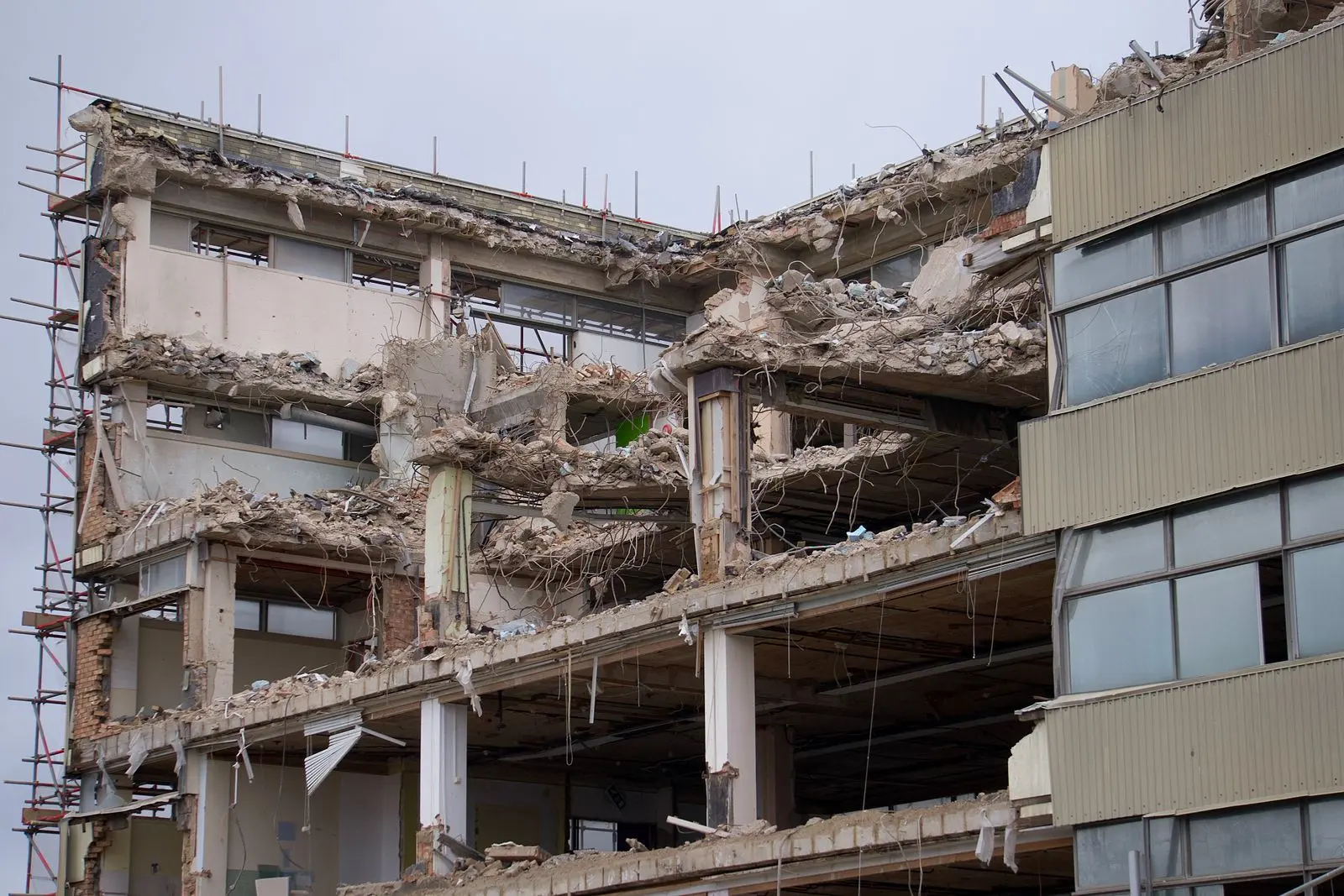
Santa Clara has two kinds of demolition going on at the same time. South of the Caltrain line it is mostly homes: 1950s and 60s ranch houses, Eichler remodels, detached garages and backyard pools that owners are done maintaining. North of Central Expressway it is the older one and two story R&D buildings, tilt-up warehouses and big parking lots that are being cleared for apartments and data centers. We work on both sides of that line.
Our crews handle full teardowns, interior gut-outs, concrete and asphalt removal, lot clearing and the hauling that follows. We pull the demolition permit from the City of Santa Clara, coordinate the asbestos survey and any abatement before demolition, and line up the electric disconnect with Silicon Valley Power and the gas side with PG&E. You deal with one contractor instead of five.
Typical demolition jobs
Work looks different from one end of Santa Clara to the other. Below are four neighborhoods and plan areas we cover, the type of job each one tends to produce, and what drives that demand. Plenty of real projects mix two or three of these.

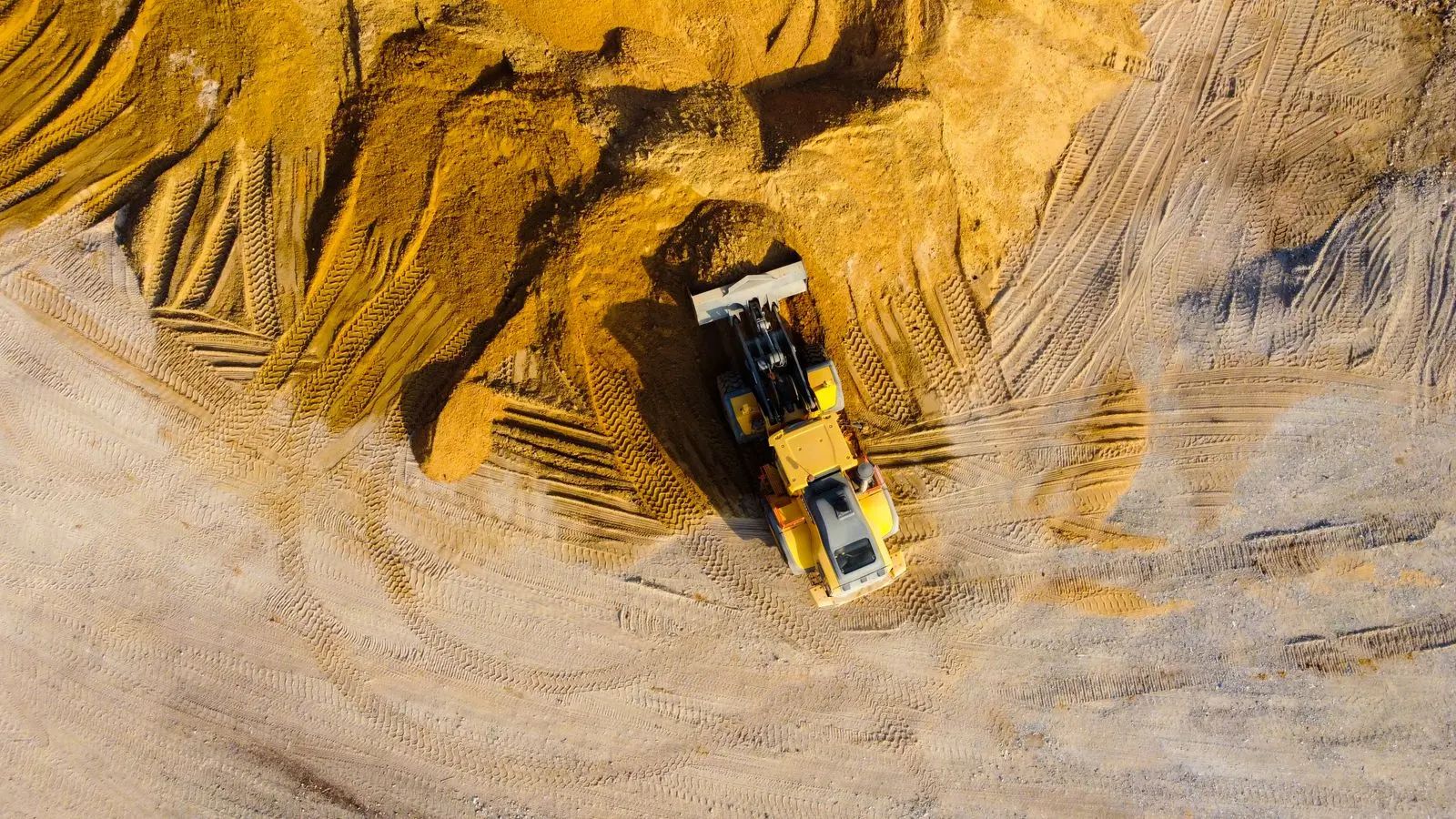
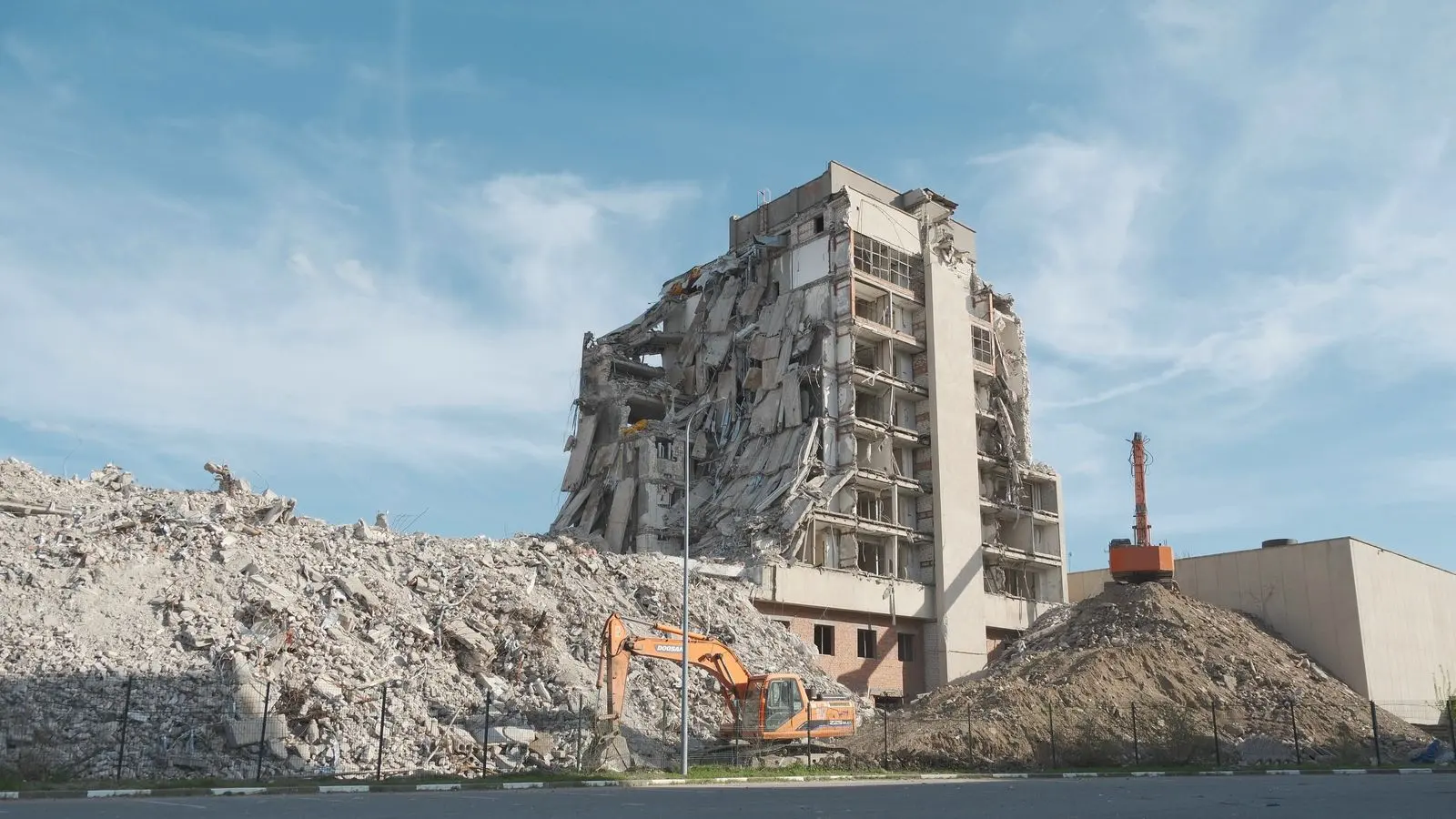
Tasman East was a pocket of one story industrial buildings between Lafayette Street and the Guadalupe River. The city's plan turns it into a high-density neighborhood, so the remaining buildings come down to make room. These jobs mean concrete walls and slabs, parking lot asphalt, old utility lines and a lot of material that should be recycled.
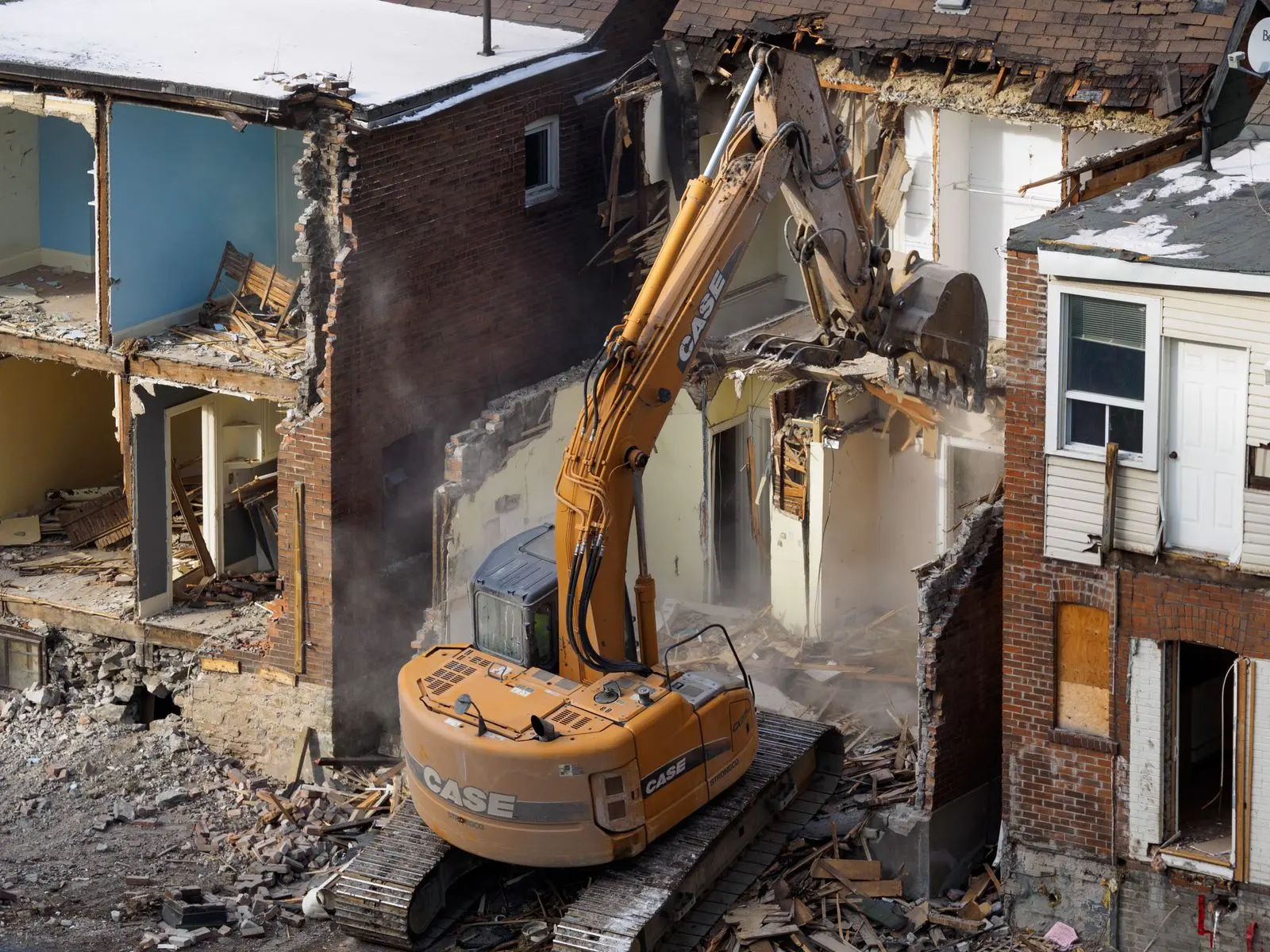
Old Quad homes near Santa Clara University are some of the oldest in the city, and many owners are restoring rather than replacing them. That makes careful interior tear-outs common: plaster and lath, old kitchens and baths, and rear additions removed by hand while the original framing, trim and front facade stay put.
Killarney Farms is mostly mid-century tract housing, and many of these homes are on slabs, some with radiant heat tubing inside them. Remodels here call for kitchens, baths and walls to come out without cracking or nicking the slab, and for any full teardown to plan around the old piping and a flat roof.
Ranch houses near Central Park and Kiely Boulevard often got a gunite pool back when that helped sell a house. Many of those shells now leak, need costly replastering or sit unused. Owners here ask us to either break and fill the pool or pull it out entirely, freeing the yard for lawn, garden or an ADU.

Know before you demolish
Santa Clara is one of the few Bay Area cities with its own electric utility. Before a building comes down here, the electric service is disconnected by Silicon Valley Power, not PG&E, while PG&E still shuts off and removes the gas. The two requests run on their own schedules, so we file both early. Missing either one is a common reason a demolition permit stalls in this city.
Ask About Your Site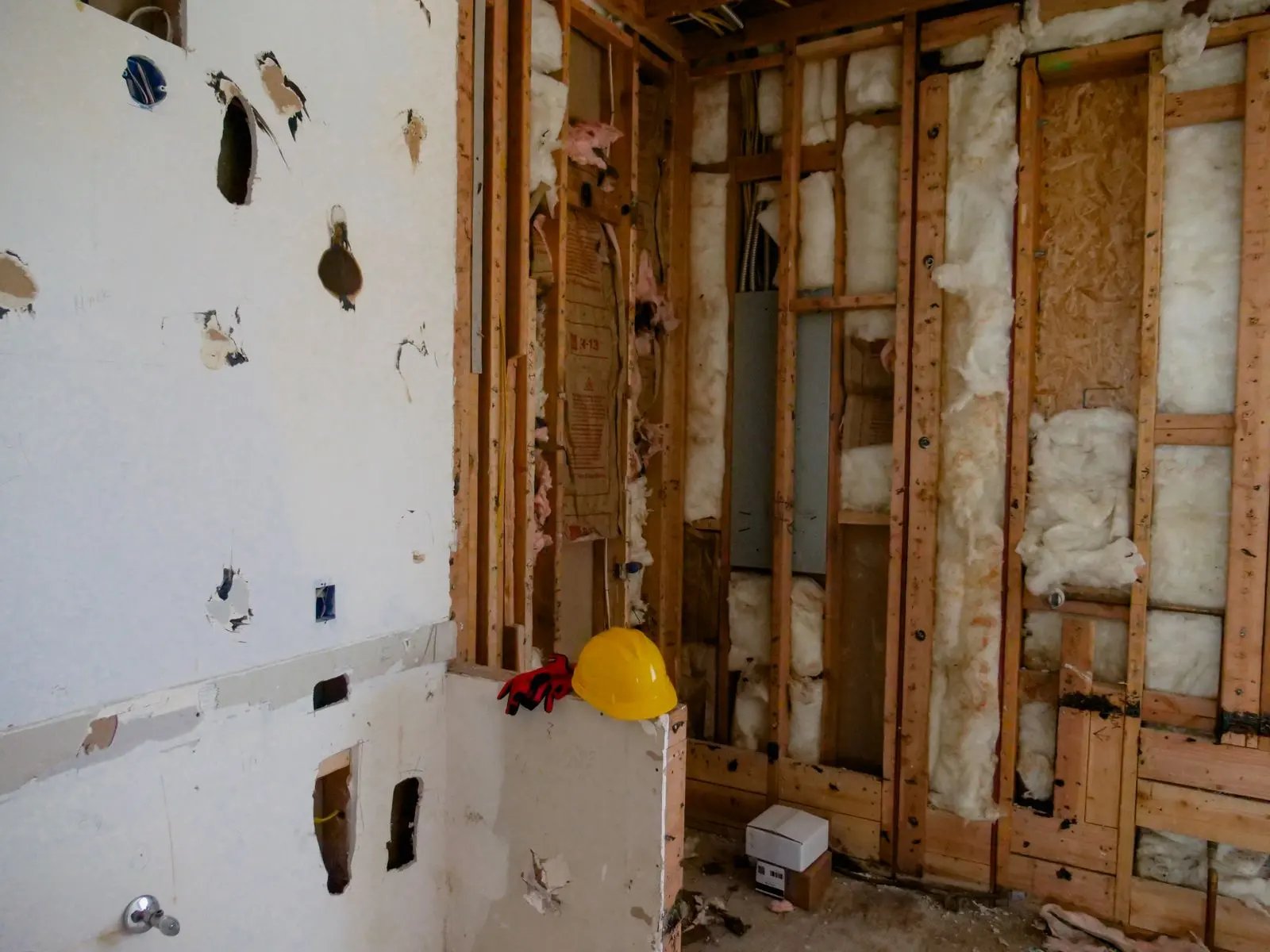
What a Santa Clara demolition includes
Most people asking for a demolition quote want to know what they are actually paying for. On a whole-structure job in Santa Clara, the scope runs from the paperwork at the start to a graded, swept lot at the end. Interior and partial jobs use a shorter version of the same list.
Anything outside this list, such as removing a protected tree, exporting soil or breaking out a deep footing, gets its own line in the quote. That way the price you approve is the scope we show up to do.
How it works
Garage or former R&D building, the job moves through three stages here. Expect the middle one, where surveys, permits and utility shutoffs happen, to run longer than the actual knocking down.
01
When your form arrives, someone gets back to you within 24 hours. We may ask for pictures or drawings, then meet you on site to check access, how the building was built, likely asbestos and buried surprises. A written scope with pricing follows.
02
Next comes paperwork. The asbestos survey is booked, a certified abatement contractor is scheduled if needed, the BAAQMD notice and city permit are filed, and SVP and PG&E get their disconnect orders. Equipment stays off the lot until every item clears.
03
Crews take the structure down, separate concrete, metal, wood and mixed debris, and send each to the right recycler or disposal site. We finish with rough grading, sweep the street and give you the weight tickets for your records.
Most Santa Clara housing went up after the war. Tracts from the 1950s and 60s fill the neighborhoods between El Camino Real and Stevens Creek Boulevard, with wood framing, stucco or wood siding and either raised floors or slabs. The oldest homes sit in the Old Quad near Santa Clara University, and some of those go back to the 1800s. North of Central Expressway the stock turns into tilt-up concrete and steel-framed industrial buildings, many of them built for electronics manufacturing and now near the end of their useful life.
The permit counter for demolition is the Building Division, part of the city's Community Development Department. Expect the city to hold the permit until the utilities are cut and the air district has your notice on file. Power is the local twist: Santa Clara owns its electric utility, Silicon Valley Power, so the meter pull is an SVP order and not a PG&E one. PG&E still owns the gas side. Water and sewer are city-run as well, and the lateral gets capped wherever the city's inspector says.
On top of the city sits BAAQMD, the regional air district. Its asbestos rule for demolition (Regulation 11, Rule 2) means the building gets surveyed and the district gets written notice before most teardowns begin. Common hits in older Santa Clara buildings are floor tile, joint compound, roofing and pipe lagging. Those materials go out with a certified abatement contractor first. We hire that firm, follow its clearance and keep our machines parked until it signs off.
Older homes in the Old Quad and a few other spots may need a historic check before a demolition permit moves, since the city keeps a list of significant properties and can send a project to review. On the commercial side, plans for Tasman East, Patrick Henry Drive, Lawrence Station and El Camino Real set the bigger timeline, and demolition is usually one early step in an approved project.
Square footage matters, but how the building was made matters more. A wood-framed ranch house on a flat lot comes apart fast and fills trucks with light material. A tilt-up building has thick concrete wall panels, a heavy floor slab and steel or glulam roof framing, so it needs bigger machines, more truck trips and more concrete processing before anything leaves the site.
The asbestos survey is the biggest unknown on older buildings. Vinyl floor tile, popcorn ceilings, cement board siding and old mastic all add abatement time before demolition can begin. Industrial buildings can add things a house never has, such as old process piping, chemical storage rooms or underground tanks, and each of those brings its own closure steps with the agencies that permitted them.
Access comes next. A corner lot with a wide driveway lets trucks load right beside the structure. A narrow Old Quad lot with neighbors a few feet away on each side means more hand work, smaller machines and more trips. On commercial jobs, hauling onto Tasman Drive, Lawrence Expressway or El Camino Real can call for traffic control and set hours for trucks.
Then there is scope. Pulling out the foundation, footings and flatwork costs more than leaving a slab for the next builder. Pools, retaining walls, trees and buried lines each add a line item. Recycling usually helps the number, because clean concrete and asphalt cost less to dispose of than mixed debris, which is why we sort as we go.
Santa Clara service areas
We cover all of Santa Clara, from the Old Quad and the ranch neighborhoods around Central Park and Pruneridge to the newer streets of Rivermark and the redevelopment areas north of the freeway. Each area page below explains what the buildings and lots are like there, who issues the permit and which demolition jobs come up most.

City of Santa Clara
Office and R&D campus off Great America Parkway planned for housing. Office strip-outs, building demolition and large parking lot removal.
Patrick Henry Drive demolition
City of Santa Clara
The city's main commercial corridor. Storefront and restaurant strip-outs, motel and auto shop demolition under city and Caltrans permits.
El Camino Real demolition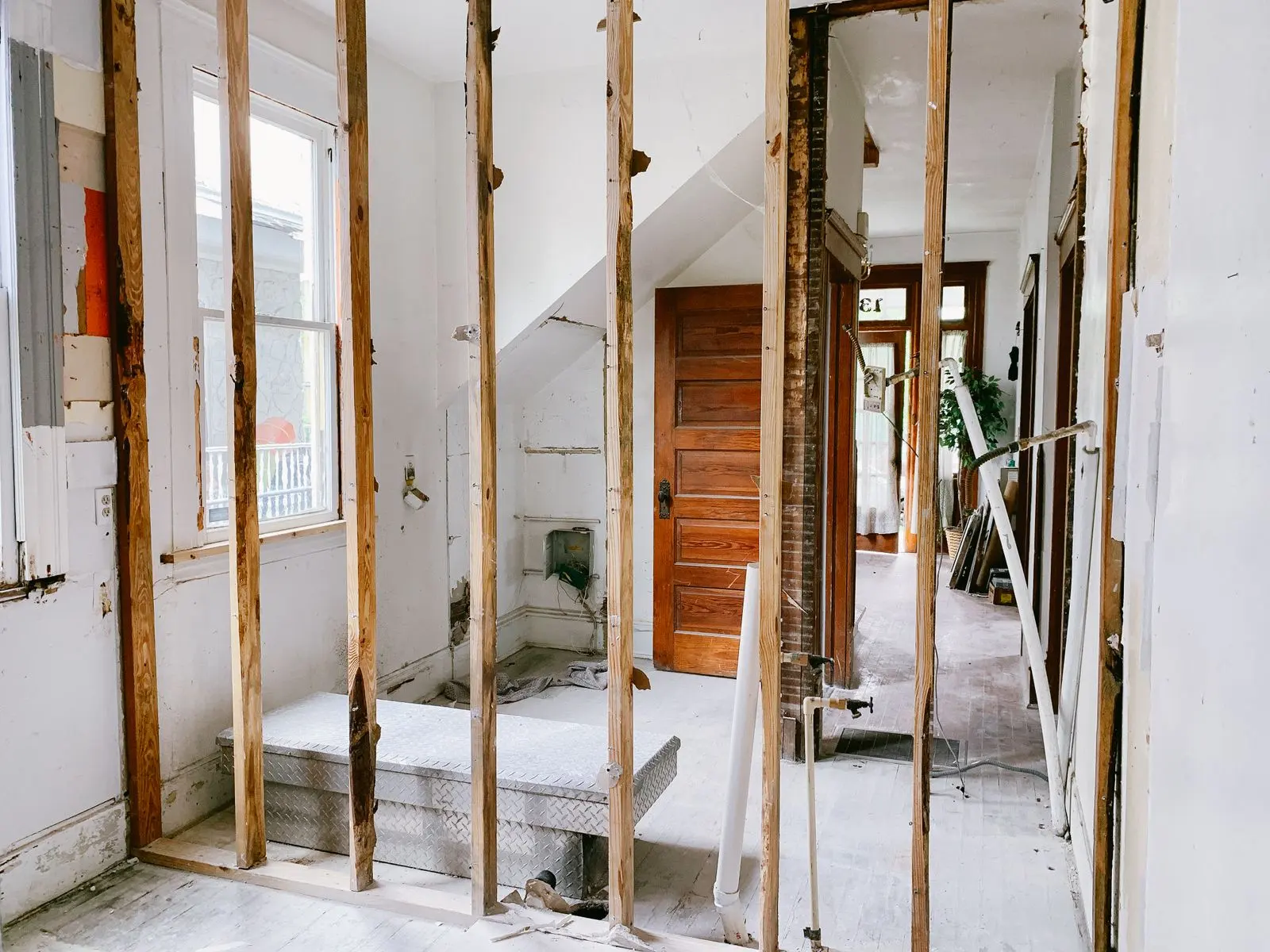
City of Santa Clara
Victorians, bungalows and cottages near Santa Clara University. Selective remodel tear-outs, rear additions and garages, often with a historic check first.
Old Quad demolitionDemolition FAQs
It does. The Building Division issues a demolition permit for any whole structure, and it wants to see the air district notice and the utility shutoffs handled first. A kitchen or bath gutted as part of a remodel normally falls under the remodel permit instead. We figure out which one fits before we file anything.
Silicon Valley Power, the city-owned electric utility, handles electric disconnects for Santa Clara addresses. PG&E handles the gas meter and service line. We submit both requests early because each utility sets its own schedule.
For nearly every structure, yes. BAAQMD expects a survey and a written notice before most demolitions. When the survey turns up asbestos, an outside certified abatement firm takes it out before we start. Arranging that is part of our job; doing the abatement is not.
Knocking down and hauling off a one story house usually fits in under a week. What takes longer is everything before it: survey, abatement if any, the BAAQMD notice, the permit and the two utility orders. Once the survey results are back, we can give you dates you can plan around.
Clean concrete and asphalt go to recycling facilities where they are crushed or ground into base material and new paving mix. Metal goes to scrap, clean wood is recycled where possible, and only what cannot be reused goes to disposal. This also helps meet CALGreen waste diversion requirements.
Yes. Tilt-up R&D buildings, warehouses, strip retail, restaurants and office interiors are a large share of the work here, especially in the redevelopment areas north of Central Expressway. Those jobs add steps like hazardous materials closures and traffic control, which we plan for in the quote.
Use the quote form: the address, what has to go and when. A phone call or email comes back within 24 hours, and from there we arrange photos or a visit.
Demolition quote
Send the address and a short description of the building, slab or lot, plus your target date. A real person gets back to you within 24 hours to talk it through and book a visit.